Fighting Terror with Torture
In the aftermath of 9/11 the United States approved ‘enhanced’ interrogation methods that have been condemned as torture. Did they work?
In the aftermath of 9/11, the United States approved ‘enhanced’ interrogation methods that have been condemned as torture. The most notorious was controlled drowning, known as waterboarding. Hilary Andersson hears from those who approved, ran and were subjected to the programme in secret CIA prisons around the world. And, in a controlled setting, she experiences some of the techniques herself. Does harsh interrogation yield reliable intelligence in the fight against terror? And what impact has the interrogation programme had on on-going conflicts – did it fuel support for ISIS?
*Warning: This programme contains graphic illustrations of interrogation techniques.*
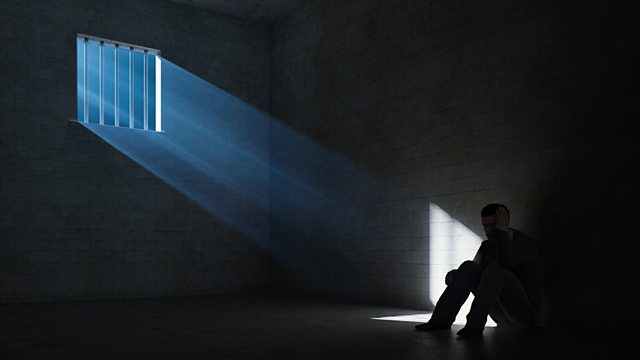
(Photo: A man sits in a prison cell. Credit: Shutterstock)
Last on

Clip
![]()
‘Stop! I can’t stand it!’
Duration: 03:21
For this programme Hilary Andersson underwent enhanced interrogation techniques in a controlled setting
Broadcasts
- Thu 15 Oct 201502:32GMTBBC World Service Online, Americas and the Caribbean & UK DAB/Freeview only
- Thu 15 Oct 201503:32GMTBBC World Service East Asia & South Asia only
- Thu 15 Oct 201504:32GMTBBC World Service Europe and the Middle East
- Thu 15 Oct 201505:32GMTBBC World Service Australasia
- Thu 15 Oct 201506:32GMTBBC World Service East and Southern Africa
- Thu 15 Oct 201516:32GMTBBC World Service except East and Southern Africa & West and Central Africa
- Thu 15 Oct 201518:32GMTBBC World Service East and Southern Africa & West and Central Africa only
- Thu 15 Oct 201521:32GMTBBC World Service
- Sun 18 Oct 201509:06GMTBBC World Service
- Mon 19 Oct 201501:06GMTBBC World Service Australasia
- Mon 19 Oct 201506:06GMTBBC World Service East Asia
Download this programme

Subscribe to this programme or download individual episodes
