How Has Rwanda Saved The Lives Of 590,000 Children?
Between 2000 and 2015, Rwanda achieved the highest average annual reduction in the child mortality rate in the world. What can other nations learn from how they did it?
In 2000 the world committed to reduce child mortality rates by 2015. At the time, there were on average 90 under-five deaths per 1,000 live births globally. Now there are 46. The UN says that means 17,000 fewer children are dying every day. Unicef has described the improvement as “one of the most significant achievements in human history”. But progress has been uneven. We look at one of the unexpected stars of the race to tackle child mortality – Rwanda – which, between 2000 and 2015, achieved the highest average annual reduction in the under-five mortality rate in the world. How did Rwanda do it? And could other nations follow its example?
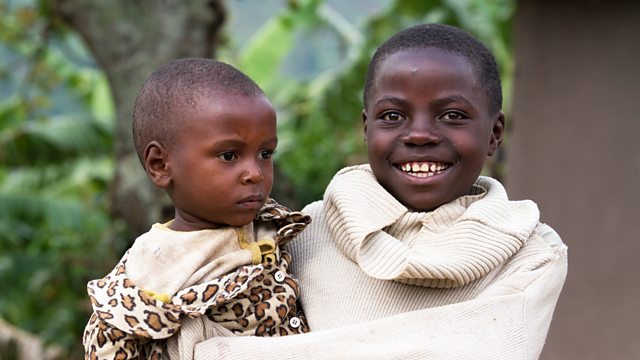
(Photo: Children Smiling Credit: Wlablack / Shutterstock)
Last on

Clip
![]()
The health worker army
Duration: 01:46

Broadcasts
- Tue 28 Apr 201502:05GMTBBC World Service Online
- Tue 28 Apr 201512:05GMTBBC World Service Online
- Tue 28 Apr 201521:05GMTBBC World Service Online
- Sat 2 May 201523:05GMTBBC World Service Online
- Sun 3 May 201504:05GMTBBC World Service Online
- Sun 3 May 201513:05GMTBBC World Service Online
Featured in...
![]()
The Best of The Inquiry
Of 100 episodes made over 2 years, these are our favourite 12 programmes

Podcast
![]()
The Inquiry
The Inquiry explores the trends, forces and ideas shaping the world