Brain food and bacteria
Ruth Alexander explains the numbers and statistics in the news and in life.
There's not an obvious link between chocolate and Nobel prizes, but this did not stop news outlets around the world reporting the amount of chocolate a country consumes influences the number of Nobel prizes they will win.
In many cases the scientific study was reported without question or comment. Ruth Alexander asks what this story tells us about the way the media reports scientific studies, and why the correlation between the two might be so strong.
Also – it's often said that chopping boards or dishcloths have many more bacteria than toilet seat but is this really true?
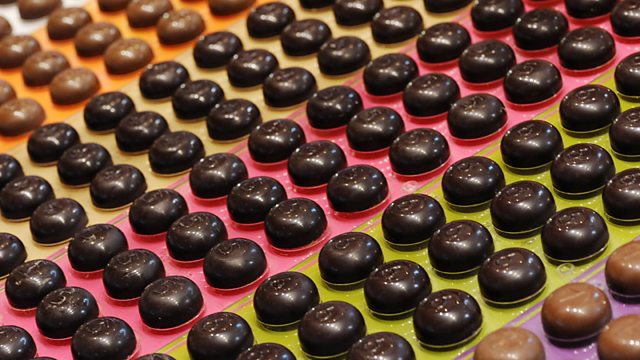
(Image: Rows of chocolates, Credit: AFP/Getty Images)
Last on

More episodes
Brain food and bacteria
There's not an obvious link between chocolate and Nobel prizes, but this did not stop news outlets around the world reporting the amount of chocolate a country consumes influences the number of Nobel prizes they will win.
In many cases the scientific study was reported without question or comment. Ruth Alexander asks what this story tells us about the way the media reports scientific studies, and why the correlation between the two might be so strong.
Also – it's often said that chopping boards or dishcloths have many more bacteria than toilet seat but is this really true? Ruth speaks to Chuck Gerba, professor of Microbiology at the University of Arizona and Professor John Oxford Professor of Virology at the University of London and chair of the industry-funded body the Hygiene Council.
Broadcasts
- Sat 17 Nov 201211:50GMTBBC World Service Online
- Sat 17 Nov 201223:50GMTBBC World Service Online
Download this programme
Subscribe to this programme or download individual episodes.
