What happened to the Kurdish Spring?
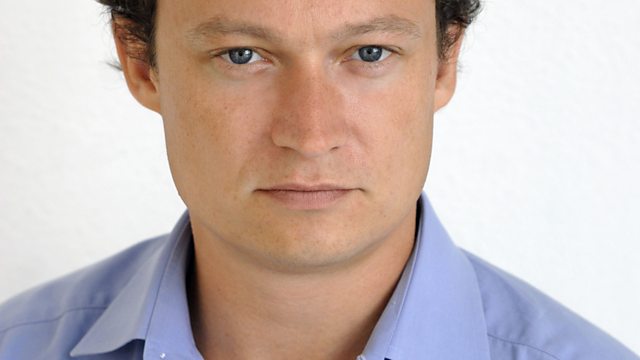
Gabriel Gatehouse asks whether the autonomous Kurdish region in Northern Iraq should be a model for the Middle East to follow or avoid?
Twenty years ago, the Kurdish region in Northern Iraq achieved effective autonomy after the first Gulf War, establising a liberal constitution and a democratic assembly.
The region is booming economically, thanks to its huge oil reserves.
But things are not that simple on the ground.
In February, there were protests in the city of Sulaimaniya against corruption and the dominance of the two parties which govern the region.
The demonstration was violently suppressed, resulting in the deaths of several activists.
Some Kurds believe that the generation of peshmerga guerillas who fought for autonomy in the 1980s and 1990s are now blocking more openness and democracy.
Yet even critics concede that the Kurds have achieved far greater stability and security than the rest of Iraq.
Gabriel Gatehouse asks if the Kurdish region should be a model for the rest of the Middle East to follow or avoid?
The producer of this edition of Assignment was Natalie Morton.
Last on
More episodes
Broadcasts
- Thu 12 Jan 201209:05GMTBBC World Service Online
- Thu 12 Jan 201212:05GMTBBC World Service Online
- Thu 12 Jan 201216:05GMTBBC World Service Online
- Thu 12 Jan 201220:05GMTBBC World Service Online
- Fri 13 Jan 201202:05GMTBBC World Service Online
Download this programme

Subscribe to this programme or download individual episodes
