Jamaica Slave Rebellion
The Baptist War was led by Samuel Sharpe in 1831. Though the rebellion was brutally crushed, it had a significant impact on the anti-slavery movement.
*** Contains descriptions that some listeners may find upsetting ***
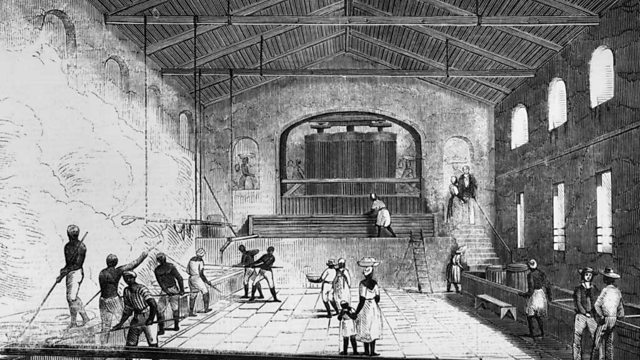
Enslaved Africans are forced to work in sugar cane fields - the hours are long and there are frequent, brutal punishments. They have endured these conditions for 200 years.
By 1831 the anti-slavery movement is gathering pace and the slaves decide to take action - by going on strike.
Samuel Sharpe became a Jamaican national hero as he led the island's slaves in a rebellion against the overseers and sugar plantation owners.
The rebellion was brutally crushed, but over time, the rebellion had a significant impact - and two years later in 1833 the Slavery Abolition Act is passed.
Picture: Making sugar in Jamaica, Credit: HultonArchive/Illustrated London News/Getty Images
Last on
Broadcasts
- Mon 27 Dec 201000:50GMTBBC World Service Online & BBC World Service Core
- Mon 27 Dec 201005:50GMTBBC World Service Online
- Mon 27 Dec 201008:50GMTBBC World Service Online
- Mon 27 Dec 201011:50GMTBBC World Service Online
Featured in...
![]()
Archive 2010
The story of our times told by the people who were there.
![]()
Black history—Witness History
Listen to and download our programmes

Podcast
![]()
Witness History
The story of our times, told by the people who were there