
 |
|
 | | | | | | | |||||||||||||||||||||||||||||||||||||||||||||||||||||||||||||||||||||||||||||||||||||||||||||||||||||||
| | ||||||||||||||||||||||||||||||||||||||||||||||||||||||||||||||||||||||||||||||||||||||||||||||||||||||||||||
|
Estoque de Tamiflu pode ser insuficiente em caso de epidemia | ||||||||||||||||||||||||||||||||||||||||||||||||||||||||||||||||||||||||||||||||||||||||||||||||||||||||||||
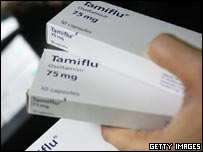
The Swiss drugs company Roche has agreed to meet four American firms who say they can make Tamiflu, which is widely seen as the most effective treatment for the bird flu virus in humans. But it could still be hard to make enough Tamiflu to meet demand. This report from Mark Gregory: Tamiflu is made from shikimic acid but until recently there was only one significant source of supply. The acid was extracted from the seeds of the star anice plant, which for centuries has been used in flavouring oriental cooking. The entire world crop of star anice comes from just four provinces in China, and it's only harvested in three months of the year. Shortage of star anice would have been a major constraint on increasing production of Tamiflu, except that a few months ago a way was found of making shikimic acid artificially. Roche now derives some of the raw material it needs from fermenting e-coli bacteria. Other drug companies can copy this - but it won't be easy and it won't be quick. Every batch of Tamiflu takes a year to make - and at one of the ten stages the material is highly explosive. Roche now says its willing to let other drug companies manufacture Tamiflu, but even if this does happen soon it will certainly be months, and possibly years, before stocks are big enough to meet potential demand in the event of a bird flu pandemic in humans. Mark Gregory, BBC business reporter extracted from harvested Shortage a major constraint artificially derives batch stocks potential demand in the event of a bird flu pandemic in humans | |||||||||||||||||||||||||||||||||||||||||||||||||||||||||||||||||||||||||||||||||||||||||||||||||||||||||||||













 Aprenda inglês: 'Slumdog Millionaire' leva Globo de Ouro
