 |
|
 | | | | | | | |||||||||||||||||||||||||||||||||||||||||||||||||||||||||||||||||||||||||||||||||||||||||||||||||||||||
| | ||||||||||||||||||||||||||||||||||||||||||||||||||||||||||||||||||||||||||||||||||||||||||||||||||||||||||||
|
Aumento de tráfego aéreo 'prejudica o meio ambiente' | ||||||||||||||||||||||||||||||||||||||||||||||||||||||||||||||||||||||||||||||||||||||||||||||||||||||||||||
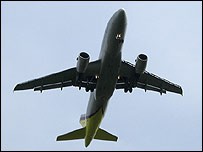
Climate change experts from the Tyndall Climate Research Centre in Britain have said urgent action is needed to curb the rapid growth in air travel if the government is to meet its commitments on tackling global warming. This report from Stephen Evans: Falling ticket prices and rising incomes are leading to rapid growth in global air travel. According to the British government, the number of British air passengers, for example, will more than double in the next quarter of a century. Increases of such an order would mean much more aviation fuel being burned and aviation fuel may be more harmful to the environment than other fuels because the resulting smoke is emitted at high altitudes. A group of scientists at the environmental research group, the Tyndall Centre, says that if Britain is to meet its overall target for cutting damaging emissions, other uses of fuel like for heating homes or driving cars would have to be cut dramatically. The British government wants the use of aviation fuel covered by international agreement on the environment. The difficulty for any individual government is that taxing fuel used at its own airports might push airlines to move their operations to competing airports in other countries. Falling ticket prices and rising incomes rapid growth in global air travel more than double in the next quarter of a century aviation fuel emitted at high altitudes environmental research group overall target damaging emissions cut dramatically move their operations |
| ||||||||||||||||||||||||||||||||||||||||||||||||||||||||||||||||||||||||||||||||||||||||||||||||||||||||||||










 Envie por e-mail
 Versão para impressão