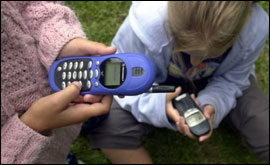
With each student taking a mobile phone, a television, PC and stereo (on average) when they move into privately rented accommodation, they are easy targets for the "light fingered".
A student is burgled every four minutes in the UK. Only one of these has an insurance policy, according to a survey recently published. How to prevent crime
in the home | - Don't advertise the things you own - draw your curtains at night.
- Buy a lock-down device for your PC - which fixes your PC to the wall, floor or desk.
- You can also buy lock-down plates for DVD players, video recorders and TVS.
- Mark your valuables with your postcode using a kit from the DIY store or from your local Crime Prevention Officer.
|
One break-in to a student house is the equivalent of breaking-in to four or more houses, such is the amount of electrical equipment on offer. The Home Office study on burglary prevention said that neighbourhoods dominated by students living in privately rented flats and houses - like Oxford - attracted criminals from across cities "like bees to a honeypot". Poor security, poor guardianship and rich pickings also means that criminals are unlikely to leave empty-handed. Students are also at risk of crime because many live in poorer and cheaper parts of the city in privately rented property that is left empty for many hours of the day. Part of the problem is the weak security inside many privately rented houses that have been divided up to house many tenants.
Crime prevention A lot of burglaries can be prevented. Most are committed by opportunist thieves and in 20% of burglaries, the thief doesn't have to force his/her way in because a door or window has been left open. Burglars like easy opportunities. They don't like security deadlocks on doors and visible burglar alarms make buglars think twice. If your possessions are worth a lot of money, a burglar alarm or a safe should be installed. There are scores of burglar alarms on the market and are certain deterrants to burglars.
Have you been the victim of a crime?
Have you stopped a crime from occurring? We would like to hear your story.
|
Send your details to: [email protected]
or telephone our special Crime Cracking line on 01865 889 045. Useful telephone numbers: Oxford University Crime Prevention Officer
Tel: 01865 272 945 Oxford Brookes University
Thames Valley Community Police
Tel: 01865 484 840
Crimestoppers - if you have any information about a crime, you can ring anonymously
Tel: 0800 555 111 |