
Home > Features > Locked-out lesbian
Locked-out lesbian
31st October 2004
Almost five years ago, I first made my way into my local gay club. Anyone with a mobility impairment who's tried to access the gay scene in this country is now probably thinking, "Her local gay nightspot was accessible?!"
The Dot Cotton Club, held monthly at The Junction in Cambridge, filled me with high hopes. At the time it seemed logical to me that the promoters of a gay club would want to hold their night in an accessible venue. After all, gay people understand and experience discrimination, so it would make sense for them to be as welcoming as possible to members of their fold with mobility impairments, wouldn't it?
Of course, this haven for the disabled lesbian wasn't without its prejudiced clientele. I lost count of the number of times someone came up to me and said, "I think you're so brave and wonderful for going clubbing, even though you're in a wheelchair!"
My standard reply was, "Is there really anything brave and wonderful about wanting to get drunk and stick your tongue down someone else's throat?"
Seven months after that initial adventure into the world of gay clubs, I spent the summer travelling around the USA prior to moving to London to start university. The places I discovered led me to expect a lot from the gay clubs and bars back in London. For instance, even the smallest lesbian bars in Seattle had accessible toilets, while the 'super clubs' were, well, super!
Needless to say, when I started exploring what London had to offer, I was bitterly disappointed. One major gay club does offer free entry to wheelchair users and their friends (my personal record for number of people I've managed to get in free currently stands at 7), because the access is completely non-existent.
While I do have a very supportive group of friends who are always willing to help me in inaccessible environments, I hate having to rely on them. I'm very independent, and I love wandering off and meeting new people. Once, shortly after coming down to London, I went out with a group of friends but got chatting to some new people. My friends all went down to another floor, but I was happy where I was. In my drunken state, it took me a while to realise that I'd shooed all my friends downstairs and was now stuck on the top floor of a club with no way down. Take it from me - a drunken, sobbing wreck is never attractive.
Inaccessibility also makes going out on the pull very difficult. Five minutes after first snogging someone never really seems like the right time to say, "Oh, when we leave, you're going to need to carry my chair down the stairs." I guess the one entertaining perk about inaccessible clubs is limping back from the toilets to find all your friends dancing round your empty wheelchair like Essex Girls around a white handbag.
Somehow, London's entire gay scene seems to have managed to exempt itself from the DDA. I can think of only one accessible lesbian bar in the whole city, and even there you have to whistle whilst weeing as there's no lock on the door of the disabled toilet for fire safety reasons (yes, the fire exit is in the crip bog). Most of the huge gay clubs don't own their own venues and hold their nights in buildings often used as concert venues - all of them inaccessible.
So much for my optimism after that first excursion into the land of gay. Would these clubs consider moving to a new venue to adjust their service to make it accessible? I doubt it. It would probably be 'unreasonable' to inconvenience such a high number of non-disabled clubbers.
I went to Manchester a few months ago for a friend's birthday, and a bunch of us hit Canal Street (a group of gay boys with the two women - how very Queer As Folk). Imagine my surprise when on our way to our first bar, my friend casually mentioned that it was accessible. Before I'd even seen inside the place I was planning my move up to Manchester, away from London and it's pure inaccessibility.
But then we got to the door of the club. "The lift's not working," said the surly female bouncer. She failed to mention that the doors to the lift on both floors had been blocked thanks to their not-so-clever furniture arranging.
"Oh, never mind," I volunteered. "Ny friends will help me." And in we went.
"Where are the toilets?" I shouted at my friend over the noise of cheesy, mid-nineties Europop.
"There!" he responded, pointing at a door bearing the universal symbol for 'cripple'.
A disabled toilet? In a gay club in a big British city?
Sure enough, it was too good to be true. A member of staff had to find the key for the door, and I made the discovery that the door wouldn't lock from the inside. To add insult to a full bladder, the toilet had no seat either. What is the point of installing the facilities to make your building DDA compliant, only to keep them so poorly serviced that your premises are still unwelcoming to disabled people? Tsk. Anyone would think they were trying to stay on the right side of the law whilst keeping those unsightly disabled people out of their bar or something.
But then I guess even taking one step towards DDA compliance is more effort than most gay clubs and bars make ...
Of course, this haven for the disabled lesbian wasn't without its prejudiced clientele. I lost count of the number of times someone came up to me and said, "I think you're so brave and wonderful for going clubbing, even though you're in a wheelchair!"
My standard reply was, "Is there really anything brave and wonderful about wanting to get drunk and stick your tongue down someone else's throat?"
Seven months after that initial adventure into the world of gay clubs, I spent the summer travelling around the USA prior to moving to London to start university. The places I discovered led me to expect a lot from the gay clubs and bars back in London. For instance, even the smallest lesbian bars in Seattle had accessible toilets, while the 'super clubs' were, well, super!
Needless to say, when I started exploring what London had to offer, I was bitterly disappointed. One major gay club does offer free entry to wheelchair users and their friends (my personal record for number of people I've managed to get in free currently stands at 7), because the access is completely non-existent.
While I do have a very supportive group of friends who are always willing to help me in inaccessible environments, I hate having to rely on them. I'm very independent, and I love wandering off and meeting new people. Once, shortly after coming down to London, I went out with a group of friends but got chatting to some new people. My friends all went down to another floor, but I was happy where I was. In my drunken state, it took me a while to realise that I'd shooed all my friends downstairs and was now stuck on the top floor of a club with no way down. Take it from me - a drunken, sobbing wreck is never attractive.
Inaccessibility also makes going out on the pull very difficult. Five minutes after first snogging someone never really seems like the right time to say, "Oh, when we leave, you're going to need to carry my chair down the stairs." I guess the one entertaining perk about inaccessible clubs is limping back from the toilets to find all your friends dancing round your empty wheelchair like Essex Girls around a white handbag.
Somehow, London's entire gay scene seems to have managed to exempt itself from the DDA. I can think of only one accessible lesbian bar in the whole city, and even there you have to whistle whilst weeing as there's no lock on the door of the disabled toilet for fire safety reasons (yes, the fire exit is in the crip bog). Most of the huge gay clubs don't own their own venues and hold their nights in buildings often used as concert venues - all of them inaccessible.
So much for my optimism after that first excursion into the land of gay. Would these clubs consider moving to a new venue to adjust their service to make it accessible? I doubt it. It would probably be 'unreasonable' to inconvenience such a high number of non-disabled clubbers.
I went to Manchester a few months ago for a friend's birthday, and a bunch of us hit Canal Street (a group of gay boys with the two women - how very Queer As Folk). Imagine my surprise when on our way to our first bar, my friend casually mentioned that it was accessible. Before I'd even seen inside the place I was planning my move up to Manchester, away from London and it's pure inaccessibility.
But then we got to the door of the club. "The lift's not working," said the surly female bouncer. She failed to mention that the doors to the lift on both floors had been blocked thanks to their not-so-clever furniture arranging.
"Oh, never mind," I volunteered. "Ny friends will help me." And in we went.
"Where are the toilets?" I shouted at my friend over the noise of cheesy, mid-nineties Europop.
"There!" he responded, pointing at a door bearing the universal symbol for 'cripple'.
A disabled toilet? In a gay club in a big British city?
Sure enough, it was too good to be true. A member of staff had to find the key for the door, and I made the discovery that the door wouldn't lock from the inside. To add insult to a full bladder, the toilet had no seat either. What is the point of installing the facilities to make your building DDA compliant, only to keep them so poorly serviced that your premises are still unwelcoming to disabled people? Tsk. Anyone would think they were trying to stay on the right side of the law whilst keeping those unsightly disabled people out of their bar or something.
But then I guess even taking one step towards DDA compliance is more effort than most gay clubs and bars make ...
The BBC is not responsible for the content of external internet sites.
More articles about
Bookmark with...
Live community panel
Our blog is the main place to go for all things Ouch! Find info, comment, articles and great disability content on the web via us.
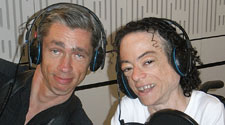
Listen to our regular razor sharp talk show online, or subscribe to it as a podcast. Spread the word: it's where disability and reality almost collide.
More from the BBC

All the latest news from the paralympics.

News and views for people who are blind or partially sighted.

Weekdays 12.40pm. Radio 4's consumer affairs programme.

~RS~q~RS~_bbc_=0&__ip__=54.77.33.255&dnainitialtitle=Locked-out%20lesbian&dnahostpageurl=http://www.bbc.co.uk/ouch/features/locked_out_lesbian.shtml&dnauid=ouch:article:855&s_baseHeadingLevel=1&dnashow=10&dnafrom=0&dnato=9&dna_encoding=utf-8&s_sssicomponent=1&s_sssiCommentCount=&dnacommentforumlistprefix=%5B_%5D&dnarecentcommentsprefix=%5B_%5D&s_commentprofileurl=/dna/mbouch/CommentProfile?&s_contact=0~RS~z~RS~47~RS~)

Comments