 | 13 November 2014 |

| |
| BBC Homepage | | |
| |||
| Contact Us | | |
Nature featuresYou are in: Nottingham > Nature > Nature features > Nottinghamshire's top birdspotting sites 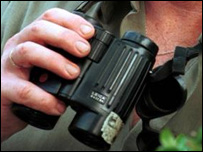 Get ready to spy the birds Nottinghamshire's top birdspotting sitesAn expert twitcher, Erin McDaid from the Nottinghamshire Wildlife Trust, reveals Nottinghamshire's best birdspotting sites. Nottinghamshire has a wealth of sites where you can easily see or hear dozens of species. Here is Erin's guide to five of the best sites in the county. Attenborough Nature ReserveBarton Lane, Chilwell, Nottingham. Grid Reference: SK516340 How to get there: Barton Lane is off the A6005 Nottingham to Long Eaton road. What to see: This complex of flooded gravel pits and islands covers 360 acres and provides an ideal habitat for a wide range of plants, birds and other wildlife. The nature reserve is managed in partnership with the owners, Cemex (formerly RMC) with support from Broxtowe Borough Council. The spring and autumn are good times to see migrant birds as they pass through and the delta area attracts a wide range of waders. In summer, breeding birds include great crested grebe, shelduck, little ringed plover and common tern. A substantial population of reed and sedge warblers, and some rarer species such as grasshopper warbler, may also be present. Chainbridge Lane Nature ReserveIdle Valley - North of Retford. Grid Ref: SK712857. 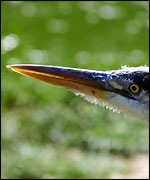 Can you spot this bird? How to get there: The main access point is from Chainbridge Lane (which runs from Lound to Hayton) where there is a car park beside the River Idle. What to see: This site, managed by Nottinghamshire Wildlife Trust, makes a good starting point for a trip to the Idle Valley, one of the most important wildlife areas in the region. The large areas of restored gravel pit workings, with a mix of lagoons, shallows and islands alongside the River Idle supports an exceptionally rich assemblage of breeding, wintering and passage birds. Some, such as black-necked grebe, garganey and wigeon, are of national importance. Generally good for waterfowl, waders, gulls, terns and raptors and there is always something to see. In 2004 the site won the British Trust for Ornithology challenge. Besthorpe Nature ReserveNear Collingham, Newark. Grid Ref: SK 818640 How to get there: From the A1133 Newark to Gainsborough road, take the southern of two turns into Besthorpe Village and follow Trent Lane. Turn left down the access track to the car park. There is a boardwalk allowing wheelchair access to the hide at this popular Wildlife Trust site. What to see: Mons Pool contains a colony of nesting cormorants and a heronry. Other birds which may be seen from the nearby hide include ducks such as pochard and the brilliantly coloured kingfisher. With areas of open water, reed bed and grassland, the site is also ideal for species such as sedge warbler, whitethroat and willow warbler. Colwick Country ParkNear Nottingham. Grid Ref: 613398 How to get there: Take the A612 out of Nottingham and follow directions to Colwick Country Park / Nottingham Race Course.  Go on - go birdspotting What to see: With over 16km of paths and habitat including three lakes and areas of woodland this site, managed by Nottingham City Council, alongside the River Trent provides an ideal spot to go bird watching without having to travel far from the city. It is generally good for waterfowl and a range of woodland birds. Dukes WoodNear Eakring. Grid Ref: SK 675603 How to get there: The entrance to the reserve (Grid Ref.) is off the minor road to Eakring, which leaves the A617 near Kirklington. What to see: Woodland sites such as Dukes Wood, another Nottinghamshire Wildlife Trust reserve site, provide ideal nesting habitat for a large number of species. Birds we typically see in our gardens such as robins, wrens and blue tits are joined by song birds such as black caps and large birds such as woodpeckers and sparrow hawks. A visit to a traditionally managed woodland at dawn in early to mid May offers one of the true delights of the natural world. The sound of the 'dawn chorus' as hundreds of birds sing together is a truly memorable experience and certainly worth the early start. More informationFor details of other Notts Wildlife Trust Nature Reserves around the County... Notts Wildlife TrustThe BBC is not responsible for the content of external websites last updated: 03/09/2008 at 09:08 SEE ALSOYou are in: Nottingham > Nature > Nature features > Nottinghamshire's top birdspotting sites    [an error occurred while processing this directive] |
| | About the BBC | Help | Terms of Use | Privacy & Cookies Policy |
