You must have noticed that it never rains when you need it and buckets down at the worst possible time. If I had a pound for every time I’ve heard the plea “why can’t it rain at night”? I could buy a roof for the garden.
The trouble is we and our plants need rain. Soils are contrary. My ground can go from soggy wet to bone dry in a very short time. After a dry period of about one week cracks appear wide enough to be scary and always close to a choice plant’s roots.
The ideal soil for a wide range of plants is free draining yet moisture retentive. It sounds odd but the ground should remain moist without becoming waterlogged. There are plants to suit every type of soil. Very wet soils are ideal for shrubs such as the red stemmed dogwood and cranberry. Dry, free draining sandy ground will suit lavender and many of the herbs.
It is possible to improve a heavy soil by adding lots of grit, coarse sand and compost.These open up the soil separating the clay particles and allow water to move through and drain away. By incorporating peat, old farmyard manure, or compost into a light, sandy soil the ground will be able to hold water for longer.
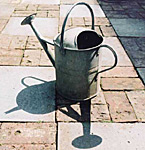
Dishing the surface of the ground around newly planted shrubs and trees will help collect and hold rain water in the area of the plants roots. Regular watering during periods when there is little or no rain will help plants. It is worse than useless damping the surface of the ground. Providing there isn’t a hose pipe ban leave it running and then check how far it has penetrated into the top layer. Water applied early in the morning or in the evening will be less likely to evaporate on a warm, sunny day.
A mulch of bark or gravel will help to retain moisture and prevent evaporation. It should be applied early in the season before the soil dries out. If dry ground is mulched it will remain dry with rain running off rather than into the soil.
If all else fails and it is a wet season build a boat or make a bog garden!








 You must have noticed that it never rains when you need it and buckets down at the worst possible time. If I had a pound for every time I’ve heard the plea “why can’t it rain at night”? I could buy a roof for the
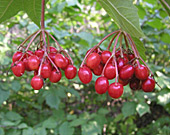 The ideal soil for a wide range of plants is free draining yet moisture retentive. It sounds odd but the ground should remain moist without becoming waterlogged. There are plants to suit every type of soil. Very wet soils are ideal for shrubs such as the red stemmed dogwood and cranberry. Dry, free draining sandy ground will suit lavender and many of the herbs.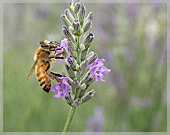
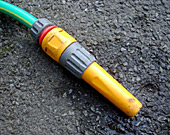 Dishing the surface of the ground around newly planted shrubs and trees will help collect and hold rain water in the area of the plants roots. Regular watering during periods when there is little or no rain will help plants. It is worse than useless damping the surface of the ground. Providing there isn’t a hose pipe ban leave it running and then check how far it has penetrated into the top layer. Water applied early in the morning or in the evening will be less likely to evaporate on a warm, sunny day.