|  | |  | | | Caring for Clematis
1st June 2004
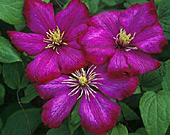 Quite rightly called Queen of the climbers, the clematis is to be found growing in most gardens. There are dozens of species and hundreds of varieties to choose from with more being added to the list every season. Quite rightly called Queen of the climbers, the clematis is to be found growing in most gardens. There are dozens of species and hundreds of varieties to choose from with more being added to the list every season.
While most of them are deciduous, losing their foliage in winter, there are a significant number of evergreen species. With careful planning and a bit of luck it is just about possible to have clematis in flower every month of the year.
Clematis will succeed in most soils but they prefer a rich, free draining, loam soil with old, well rotted farmyard manure or compost added to the base of the planting hole. Plant 4 inches deeper than when in the pot to encourage the base of the stem to root. Clematis prefer their roots to be cool and their heads in the sun. Surface mulch around the root area with bark or gravel.
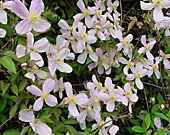 There is a lot of confusion regarding when and how to prune clematis. Unfortunately there are 3 groups,each with different requirements. The first group includes clematis that flower on the previous years growth. Most of them, such as C. montana and C. armandii, flower in late winter and spring. During March of the year of planting cut these clematis to within 24 inches of the ground. The following year cut down to 36 inches. In future years it is only necessary to cut out thin, weak stems. There is a lot of confusion regarding when and how to prune clematis. Unfortunately there are 3 groups,each with different requirements. The first group includes clematis that flower on the previous years growth. Most of them, such as C. montana and C. armandii, flower in late winter and spring. During March of the year of planting cut these clematis to within 24 inches of the ground. The following year cut down to 36 inches. In future years it is only necessary to cut out thin, weak stems.
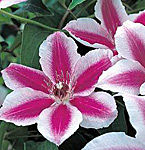 The early, large flowering varieties, also flower on growths made the previous season. These include such gems as ‘Carnaby’, ‘Lasurstern’ and ‘Dr Ruppel’. In the first two years prune them in the same way as for those in group one. Thereafter cut them back in spring to a pair of strong, healthy growth buds and remove any damaged or dead stems. The early, large flowering varieties, also flower on growths made the previous season. These include such gems as ‘Carnaby’, ‘Lasurstern’ and ‘Dr Ruppel’. In the first two years prune them in the same way as for those in group one. Thereafter cut them back in spring to a pair of strong, healthy growth buds and remove any damaged or dead stems.
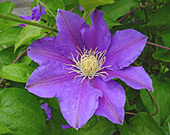 The third group are different. They flower later in the season on growths produced during summer. It includes famous varieties such as ‘Ville de Lyon’’, ‘Jackmanii Superba’ and ‘Ernest Markham’. The growths die back in autumn. In the year of planting cut all the stems back to within 12 inches of ground level in spring. For the second and subsequent years cut the previous years growth back to within a few inches of the older wood. The third group are different. They flower later in the season on growths produced during summer. It includes famous varieties such as ‘Ville de Lyon’’, ‘Jackmanii Superba’ and ‘Ernest Markham’. The growths die back in autumn. In the year of planting cut all the stems back to within 12 inches of ground level in spring. For the second and subsequent years cut the previous years growth back to within a few inches of the older wood.
Back to John's index page
| |
| |
|  |
| 



|
| |
|