WINTER FLOWERING CLEMATIS
1 October 2006
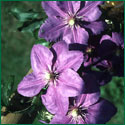 Plants that flower in winter deserve brownie points and none more so than the climbing clematis that brighten walls, arbours, trellis and arches. Plants that flower in winter deserve brownie points and none more so than the climbing clematis that brighten walls, arbours, trellis and arches.
They are all hardy but will flower better when positioned in a sunny sheltered spot protected from cold blasts of wind. A south or west-facing wall is perfect.
Usually the soil at the base of a wall is made up of builder’s rubble, debris, and clay with a thin layer of topsoil to make it look presentable. Excavate a large hole at least 2-3 times the size of the plant pot. Add a layer of compost or old farmyard manure to the base. Position the plant 4 inches deeper than previously grown to encourage the lower part of the stem to form roots. Back fill around the root-ball with topsoil with a handful of bone meal fertilizer mixed in.
Water the plant to settle the soil around the roots and train the growths onto supports. Once they become attached they will romp away without the need for regular training. The clematis will grow away quickly in the spring so allow sufficient space for its eventual spread.
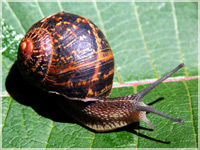 The most troublesome pests are the dreaded slugs and snails. They will graze and chew the thin stems close to the soil causing the leaves to wither on the plant. Prevention is better than cure so spread petroleum jelly on a collar of cardboard around the base of the plant to prevent them getting to the plant. If they do cause damage then cut the stems down to the ground, water and feed the plant and it will produce more shoots. The most troublesome pests are the dreaded slugs and snails. They will graze and chew the thin stems close to the soil causing the leaves to wither on the plant. Prevention is better than cure so spread petroleum jelly on a collar of cardboard around the base of the plant to prevent them getting to the plant. If they do cause damage then cut the stems down to the ground, water and feed the plant and it will produce more shoots.
Wilt disease is a serious disease but is seldom the cause of plants dying. Planting deeper than when grown in the pot will help prevent wilt killing the clematis.
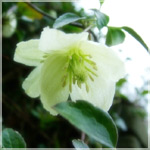 The cirrhosa group of clematis are well suited to sheltered gardens in Ireland. Native to the Mediterranean region Clematis cirrhosa and its cultivars do best on a sunny, sheltered wall.C.cirrhosa var. cirrhosa is evergreen with glossy, deep green foliage and creamy-white flowers that are occasionally spotted with purple on the inside or with a green stain on the outside. The flowers appear in late winter followed by the silvery, silky seed heads. The cirrhosa group of clematis are well suited to sheltered gardens in Ireland. Native to the Mediterranean region Clematis cirrhosa and its cultivars do best on a sunny, sheltered wall.C.cirrhosa var. cirrhosa is evergreen with glossy, deep green foliage and creamy-white flowers that are occasionally spotted with purple on the inside or with a green stain on the outside. The flowers appear in late winter followed by the silvery, silky seed heads.
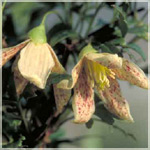 C.c.var.balearica has deeply cut fern-like leaves that are smaller than those of cirrhosa and in winter are flushed bronze-purple. The creamy-white flowers are speckled reddish-brown on the inside with the pleasant fragrance of citrus. It is the hardiest of all the varieties and will tolerate a north facing wall. The variety C. c. ‘Freckles’ has, as the name suggests, cream flowers heavily marked on the inside with reddish-brown flecks. C.c.var.balearica has deeply cut fern-like leaves that are smaller than those of cirrhosa and in winter are flushed bronze-purple. The creamy-white flowers are speckled reddish-brown on the inside with the pleasant fragrance of citrus. It is the hardiest of all the varieties and will tolerate a north facing wall. The variety C. c. ‘Freckles’ has, as the name suggests, cream flowers heavily marked on the inside with reddish-brown flecks.
back to John's index page |