Thin, miserable, bare at the base and sparse are all terms to describe a lot of Ulster garden hedges. Neglect is often to blame, where weeds and grass have been allowed to grow and smother the lower branches. When planting a hedge it is essential the plants are cut back by half after planting. This pruning will encourage them to produce side shoots which thicken the bottom of the hedge. Animals and small humans have a habit of taking a short cut and where the same spot is constantly used it soon becomes a gap. Old boundary field hedges are usually full of gaps with no vegetation close to the soil. This is a good time to gap up filling the spaces with new plants. There will be a lot of competition from existing hedge roots so make every effort to form a decent planting hole and add bone meal and compost to give the young plants a good start. Where there are weeds spray with glyphosate weedkiller. It will not harm bare stems without leaves.
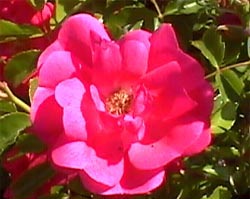
Hedges that are mainly hawthorn and blackthorn can be made more colourful and interesting by adding Rosa rugosa. It has large red-purple, summer flowers followed by tomato-shaped, bright red hips in autumn. It is thorny enough to deter trespassers.
Native holly (Ilex aquifolium) and spindle (Euonymus europaeus), together with honeysuckle are good hedge fillers. The holly provides evergreen foliage, berries for colour and bird food. The spindle will light up the hedge with scarlet autumn leaf colour.
Honeysuckle adds fragrance and is loved by insects. Informal flowering hedges of escallonia and berberis can be gapped up with more of the same. Keep the varieties the same to prevent the finished hedge looking like a patchwork quilt.
Leyland screens are often bare at the base. Before planting it will be necessary to dig over the soil and water the area. Surface roots can be removed. Check that the water has penetrated the soil for at least 9 inches. Once planted the fillers will require regular watering as rain can’t penetrate the evergreen canopy. Try planting Lonicera nidita ‘Baggeson’s Gold’. It is evergreen with small, bright yellow leaves and can tolerate impoverished, dry soil. Evergreen perennials and bulbs planted under the hedge will add to the display.







 Thin, miserable, bare at the base and sparse are all terms to describe a lot of Ulster garden hedges. Neglect is often to blame, where weeds and grass have been allowed to grow and smother the lower branches. When planting a hedge it is essential the plants are cut back by half after planting. This pruning will encourage them to produce side
 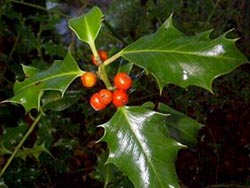 Native holly (Ilex aquifolium) and spindle (Euonymus europaeus), together with honeysuckle are good hedge fillers. The holly provides evergreen foliage, berries for
 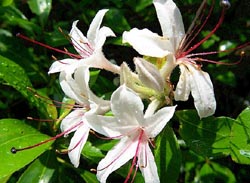 Honeysuckle adds fragrance and is loved by insects. Informal flowering hedges of escallonia and berberis can be gapped up with more of the