By now plants will be running out of steam. The early rain leached a lot of fertilizer out of the top soil to a level below where the roots are working. The warm period which followed encouraged growth. Without nutrients they will become leggy with pale foliage.
LAWN: While I have no sympathy for lawns they do have to put up with more than most other plants. Constant wear and tear through walking and play is hard on grass. Without regular feeding the constant removal of foliage depleats the soil and plants of nutrients. A summer feed containing nitrogen, phosphate and potash will keep it going and help green it up. In early autumn a high potash feed will be necessary to curb growth and steady up the lawn in preparation for the winter.
TOMATOES: Greenhouse tomatoes will have been having regular feeds of high potash to slow growth and encourage fruit. By the height of summer growth has almost stopped. One liquid feed of a higher nitrogen fertilizer will kick start the plants allowing them to crop well into the autumn.
HANGING BASKETS and CONTAINERS: Most potting composts contain enough fertilizer for the first few weeks. After that liquid feeding should be undertaken weekly. By now a high potash feed can be applied every second day. Remove dead flowers to encourage more bloom.
PERENNIALS: By mid-August the herbaceous border can look a bit sad. A granular feed with a balanced fertilizer such as Growmore will keep the plants growing and ensure the plants build up a good root system for next year. A mulch of old, well rotted farmyard manure will be benificial.
FRUIT: Bush fruit will have finished fruiting and blackcurrants and gooseberries should be pruned removing the older branches. Feeding with a balanced fertilizer will allow the plants to form strong branches to fruit next year. Early summer flowering shrubs such as weigela and philadelphus can be treated in the same way.
Remember to apply at the rate stated on the container. An extra dose is more likely to cause harm than good.







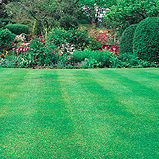 LAWN: While I have no sympathy for lawns they do have to put up with more than most other plants. Constant wear and tear through walking and play is hard on grass. Without regular feeding the constant removal of foliage depleats the soil and plants of nutrients. A summer feed containing nitrogen, phosphate and potash will keep it going and help green it up. In early autumn a high potash feed will be necessary to curb growth and steady up the lawn in preparation for the winter.
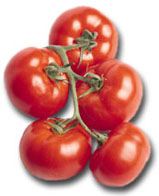 TOMATOES: Greenhouse tomatoes will have been having regular feeds of high potash to slow growth and encourage fruit. By the height of summer growth has almost stopped. One liquid feed of a higher nitrogen fertilizer will kick start the plants allowing them to crop well into the autumn.
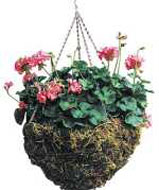 HANGING BASKETS and CONTAINERS: Most potting composts contain enough fertilizer for the first few weeks. After that liquid feeding
  PERENNIALS: By mid-August the herbaceous border can look a bit sad. A granular feed with a balanced fertilizer such as Growmore will keep the plants growing and ensure the plants build up a good root system for next year. A mulch of old, well rotted farmyard manure will be benificial.
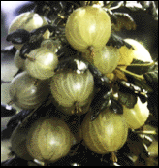 FRUIT: Bush fruit will have finished fruiting and blackcurrants and gooseberries should be pruned removing the older branches. Feeding with a balanced fertilizer will allow the plants to form strong branches to fruit next year. Early summer flowering shrubs such as weigela and philadelphus can be treated in the same way.