Crop Rotation
17 September 2008 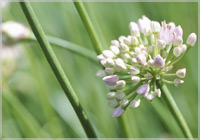
Rotating vegetable crops each year sounds complicated but it’s not. It is essential to prevent pests and diseases building up in the soil and to give the plant roots the right nutritional conditions.
A lot of it is common sense. If a particular plant such as onion suffers from a soil borne disease then it is better to grow a different plant in that position the following year. The onion is part of a big family which includes chives, garlic and spring onion therefore none of these should follow the onion crop for a few years.
It is for this reason that commercial growers don’t plant potatoes in the same ground year after year. 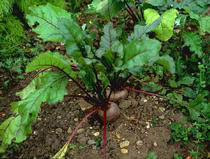 Some vegetables such as the brassicas prefer an alkaline soil and benefit from an application of lime before planting. They also do best in a rich soil with nitrogen and lots of well rotted farmyard manure. Some vegetables such as the brassicas prefer an alkaline soil and benefit from an application of lime before planting. They also do best in a rich soil with nitrogen and lots of well rotted farmyard manure.
Root crops such as carrots, parsnips and beetroot prefer soil that hasn’t been limed and is low in nitrogen fertilizer. Too rich a soil will encourage a lot of leaf growth and cause the roots to split so these crops may follow the brassicas.
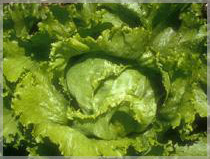 In the third year the plot should be used to grow other vegetables such as peas, beans, celery, lettuce, spinach and onions. In the third year the plot should be used to grow other vegetables such as peas, beans, celery, lettuce, spinach and onions.
If you divide the vegetable area into three and plant one group of plants in each then one crop can follow the other without overlapping. You will still get pest and disease problems but they will be kept to a minimum. There is no control against flying pests such as cabbage white butterfly and the resulting caterpillars or carrot root fly but a covering of horticultural fleece will keep them away from your crops. Remember that some diseases such as onion rot may be spread from one location to another on the contaminated soil on your boots.
Do not apply lime and farmyard manure at the same time to the same ground. Apply the lime in late autumn and the manure in early spring.
RELATED LINKS
The Allotment
«...back to John's index page
|