
MRSA is a potentially lethal bacterium that causes infections in humans and is difficult to combat because it has developed a resistance to certain antibiotics.
Methicillin-Resistant Staphylococcus Aureus usually strikes in hospitals, where conditions suit it.
The government has imposed new hygiene standards on hospitals to try to stem its growth.
But a few cases have also been observed in the wider community.
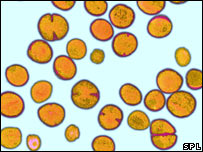
The bacterium has developed a resistance to certain antibitics
MRSA can exist harmlessly on people's skins without their even knowing it, but if it infects someone who is already ill or weak, it can kill.
It is no more dangerous than other forms of Staphylococcus aureus.
But because it has developed resistance to methicillin and other antibiotics, it is much more difficult to treat.
Infections occur where there is opportunity for MRSA to get into the body, such as at surgical wounds or where a catheter or needle is inserted.
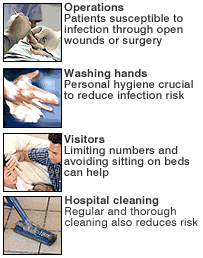
MRSA infection can spread more easily in hospitals, where sicker and weaker people tend to be in close proximity.
The NHS is targeting ward cleaning and personal hygiene, and has issued guidelines for staff.
These include providing disinfectant hand-rubs and encouraging more vigilance among patients and visitors.
Doctors are now more careful about prescribing antibiotics only when essential, which should help slow the evolution of resistance among bacteria.
Mandatory reporting by doctors of MRSA infections in the bloodstream - where the consequences are often more serious - was not introduced until 2001.
Since then, cases rose by 6% to a high of 7,684 in 2003/4.
But the following year saw a fall to a record-low of 7,212 infections - but that is still well short of the target of fewer than 4,000 cases by 2007-8.
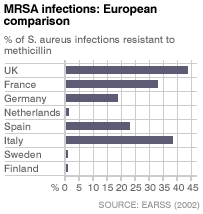
More than 40% of Staphylococcus aureus infections in the UK are MRSA - one of the highest levels in Europe.
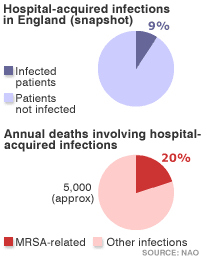
The National Audit Office estimates that hospital-acquired infections, including MRSA, are costing the NHS about �1bn a year.
It also believes they contribute to some 5,000 deaths annually.
Of those caused by the Staphylococcus aureus family, most are known to be due to the MRSA strain.
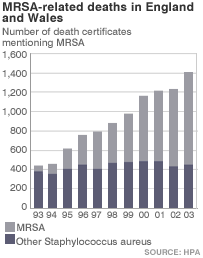
Between 2002 and 2003, mentions of MRSA on death certificates increased by 19% to 955.
