

YOUR PICTURES - BIRDS
Local Navigation

Bringing to life spectacles of natural wonder on our doorstep
Birds
Birds feature in 16 of our Top 40 spectacles..
From the UK's largest bird of prey the Sea Eagle which you'll need to go to Scotland to catch a glimpse of, through to the humble starling which pretty much everyone will have seen.
Birds are defined as warm blooded, feathered vertebrate animals which lay eggs. Something in the region of 300 species of bird regularly occur in the UK either as residents or as visitors.
Web links
BBC Science and Nature - Birds
The BBC is not responsible for the content of external internet sites.
Photo gallery
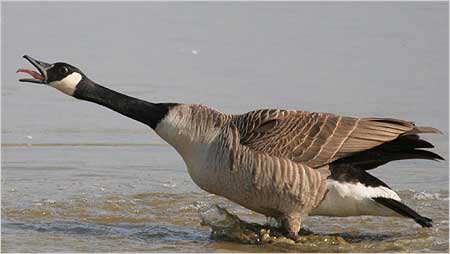
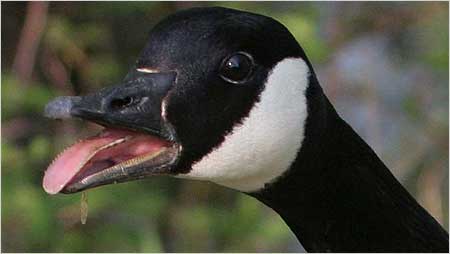
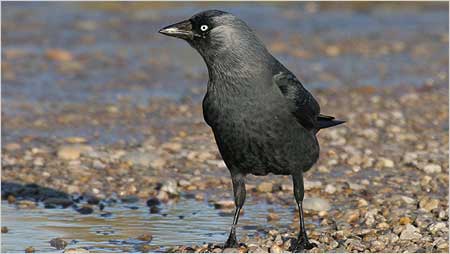
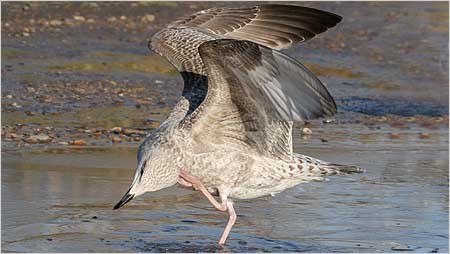
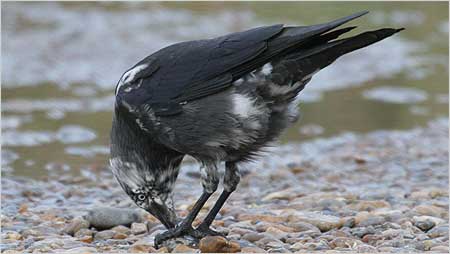
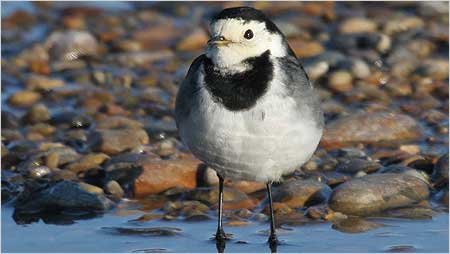
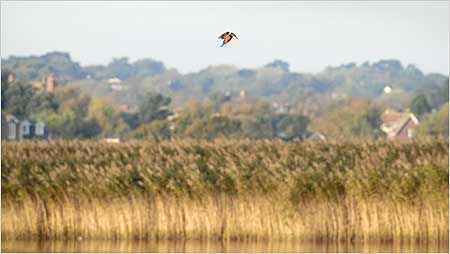
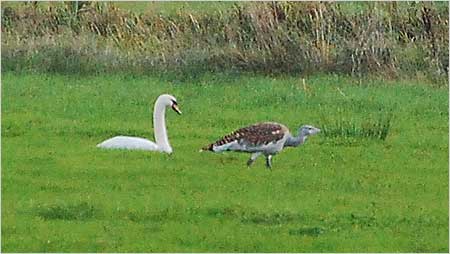
Watch and Listen
BBC Nature's Calendar - On the trail of the elusive moorland bird, the Wheatear, with Mike Dilger.
BBC Nature's Calendar - Join Mike Dilger for a stunning Sea Eagle experience in Scotland.
BBC Nature's Calendar - The Guillemot is one of the British Isles' most distinctive sea birds, often found on rocky coasts and islands. Watch this bird feeding its chick.
BBC Nature's Calendar - Watch rare footage of the Capercaillie in flight.
BBC Nature's Calendar - Go on a bird watching expedition at Fountains Abbey in Yorkshire with presenter Chris Packham.
Help playing audio/video
Tips
Tips for photographing birds:
- Trying to photograph birds in flight is a real art! Get a good position where you're close to the birding action and sit patiently with your camera ready to go. Use your binoculars to spot incoming birds and activity so you're ready to catch the action. A good telephoto lens is essential for the best shots.
- Shooting on a long lens is essential to get the best shots of sea birds such as this Razorbill, especially as the breeding season approaches.
- Before leaving for a photo shoot, make sure you've packed a few essentials - a camera bag and spare batteries, a tripod (if you have one), binoculars, dull coloured camouflage clothing (avoid bright colours!) and a packed lunch!
- You'll need a good vantage point and a tripod for the best photographs.
- A good starting point is to photograph birds in your own garden... you can use a bird feeder to attract them.
- Keep practising... as you learn more about your subjects and get more familiar with your camera your pictures should improve.
Habitat
The great thing about birds is that they have evolved to exploit almost every habitat from waterways and coasts to woodlands and mountains. This provides bird lovers with a brilliant selection of different species to watch. And there's also a good chance that you'll see a wide range of colourful birds in your own garden or backyard.
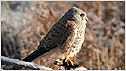
Some of the best birding environments include:
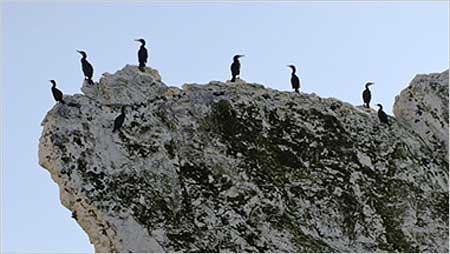
* Rocky and sandy shores - common sightings include Herring Gulls, Terns, Ringed Plover, and Rock Pipits. Look out for Gannets, Puffins, Fulmars and Guillemots nesting on rocky cliffs during the summer months.
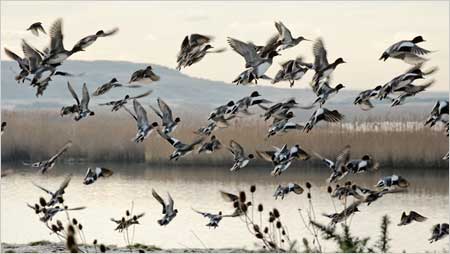
* Estuaries - waders such as Dunlin, Redshank and Dunlin love estuarine mud which is rich in bird food. Look out for large gatherings of Knot - a wonderful natural spectacle when they take flight and land en masse
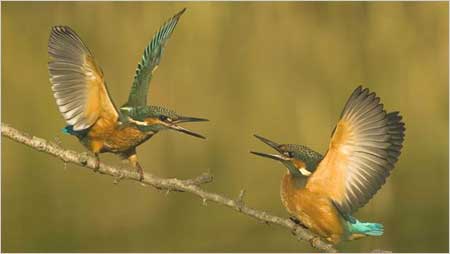
* Waterways - rivers, lakes and marshes make great bird watching habitats for species such as Dippers, Kingfishers, Herons and Grey Wagtails. Ponds are good spots for ducks such as Pochard, Wigeon and Goldeneye. Wetlands such as Slimbridge, Martin Mere, Caerlaverock and Welney are top bird spotting locations.
* Heaths and moors - heathland specialists include Grouse, Hen Harriers, Stonechats, Linnets and Nightjars. Look out for birds perching on posts or rocks.
* Wilderness and mountain areas - these challenging environments are the preserve of birds of prey and specialists such as the Ptarmigan and Chough.
* Farmland - a rich habitat for Field Fares, Barn Owls, Little Owls, Corn Buntings, Kestrels and Rooks.
* Parks and country estates - home to a diverse range of species including Woodpeckers, Mistle Thrushes, Jays and Hawfinches.
* Woodlands - look for different birds in coniferous and deciduous woods. Conifer specialists include Crossbills, Crested Tits and Goldcrests. Deciduous woods are good for Woodpeckers, Nuthatches and Blackcaps.
* Gardens - common birds include Blue Tits, Chaffinches and Dunnocks. Well stocked bird feeders with seeds and nuts can also attract Goldfinches, Woodpeckers and Bullfinches.
Chris' Photo Tips
Chris Packham provides a guide to the mysterious art of digiscoping.
Getting into the field
Top tips for getting out and about nature watching, from planning the trip to what to do when you get there.
Meet the photographers
Find out a bit more about some of the people whose photographs feature on the BBC Nature's Top 40 website.


Also on Nature's Top 40
BBC Nature & Wildlife
More from bbc.co.uk nature

BBC iD
BBC iDBBC navigation
BBC links

BBC © 2014The BBC is not responsible for the content of external sites. Read more.
This page is best viewed in an up-to-date web browser with style sheets (CSS) enabled. While you will be able to view the content of this page in your current browser, you will not be able to get the full visual experience. Please consider upgrading your browser software or enabling style sheets (CSS) if you are able to do so.
