 | Grasslands are excellent places for wildlife watching especially for wild flowers and small mammal watching. Why not try your hand at some springtime nature spotting in the lush meadows of the UK? | | Outstanding meadows - great for wildlife |
Choose between two very different activities...
* Wild flower spotting.
* Dormouse walks.
Flowers and fossils  Cricklade, Cotswold Water Park and Kingcombe Meadows are three of the best places in the UK for spotting unusual wild flowers. Cricklade, Cotswold Water Park and Kingcombe Meadows are three of the best places in the UK for spotting unusual wild flowers.
The flower meadows at Cotswold Water Park are one of only two sites in Britain with large numbers of white Snakes-head Fritillaries. The gravel is also a rich source of prehistoric wildlife from several million years ago.
The fossils are so plentiful that they're literally everywhere on this site. Kingcombe Meadows is a botanist's paradise with 430 different types of flowers and ferns. At Kingcombe there's educational events, walks and talks to help visitors learn more about what's on offer in its meadows. This unimproved grassland is also rich in grasses, herbs , lichens, fungi and butterflies.  Cricklade's North Meadow is of international importance as one of the best examples of a lowland hay meadow. Cricklade's North Meadow is of international importance as one of the best examples of a lowland hay meadow.
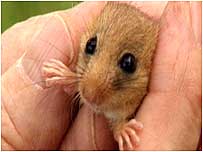
If you're visiting in spring, look out for the stunning display of Snake's-head Fritillaries as well as golden clusters of Marsh Marigold and pink Cuckooflowers. During the summer Cricklade bursts into bloom with yet more hay meadow flowers - and there are also many interesting insects to be seen including blue Damselflies and Burnet Moths. Top tip: If you'd like to transform your garden into a haven for wild flowers, why not buy seeds from a specialist grower. Several wildlife organisations also sell packets of wild flower seeds in their shops at nature reserves. Dormouse walks  The Dormouse is a secretive creature which is very hard to spot in the wilds. The Dormouse is a secretive creature which is very hard to spot in the wilds.
Kingcombe organise special Dormice walks run by an expert with a licence to handle these popular mammals.
It's your best chance of seeing this creature as well as getting some expert insider information at the same time. These scarce creatures are seldom seen because of their nocturnal habits. They are famously sluggish during the daytime hours - remember the Dormouse in Alice in Wonderland? Dormice feed predominantly on fruit, nuts and flowers which is why they love meadow areas such as Kingcombe. Photo credits Cricklade photo courtesy of Natural England. |