Park life 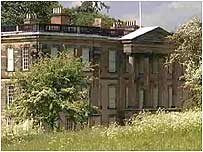 | Calke Abbey is a quintessential British parkland with its ancient oak trees, Fallow Deer and birds of prey. Nature lovers will be impressed by the variety of habitats and species on offer. | | Quintessential parkland at Calke in the Midlands |
Calke Abbey is a super wildlife location with an impressive and eclectic mix of habitats and wildlife.
After decades of neglect, Calke Abbey was saved from the brink of disrepair in the mid 1980s. Before then this Baroque mansion, built between 1701-1704, was a private household. Today it's in the hands of the National Trust and is open to the public. The house contains an impressive natural history collection including a taxidermy display of stuffed creatures in cabinets. Calke also boasts over 600 acres of ancient pasture land, some of which include the rarest woodland habitats in the Britain. Parkland pleasures  Today's visitors can take a walk through its ancient woodland and spring meadows. Today's visitors can take a walk through its ancient woodland and spring meadows.
Amongst the spring activities for nature lovers are deer watching, bat detecting and wild flower spotting.
Calke is great for its springtime flora - its gentle undulating landscape contains some of the rarest wood pastures in the country. At the core of the estate are over 200 huge ancient oaks including the 'Old Man of Calke', thought to be well over 1,200 years old. This tree was a mere sapling when the first Vikings were invading our shores! In the middle of Calke's ancient woodland is one of the most impressive deer parks in the county, home to over 200 animals. Fallow Deer are the quintessential English parkland animal, and with the backdrop of Calke's ancient oaks behind them, they look superb. Birds and bats  Calke is also a stronghold for the Hobby - a number of these birds of prey nest on the estate. Calke is also a stronghold for the Hobby - a number of these birds of prey nest on the estate.
May is a good time to pin these birds down to one location - once you've found their nest site, it's just a matter of watching and waiting. Another fun activity is the estate's springtime safari when groups of nature lovers go in search of Serotines, one of Britain's largest bats. These animals were first spotted at Calke just a couple of years ago, much to the amazement of visitors. Also look out for insects such as the Chimney Sweep Moth. Photo credits Photograph of the Hobby courtesy and copyright of PA Images.
|