What is different, though, is how hard it was for them to preserve those songs. There were constant attempts by slave owners to ban them from continuing with African religious rituals and drums were outlawed, as it was feared they could be used to pass messages and facilitate a slave uprising. | "When abolition came in, it brought a liberation to us, and gave us the chance to explore the culture and the talent that came from Africa." | | Crosby Tagoe |
Thankfully, the efforts of the owners were in vain and the songs have survived to the present day. The Manchester-based West African band Kokoma are just one of the groups keep traditions and tunes alive. Founder Crosby Tagoe says it is important to remember those tunes and also bring new music into the mix. "The group is here to promote the themes of Africa and a lot of Africans in Europe haven’t been back to their homeland, so haven’t experienced the cultures there, so someone needs to educate them." 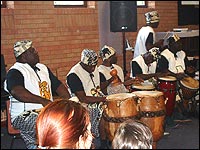 | | Kokoma |
Crosby is quick to point out that as wretched an experience as slavery was, the arrival of abolition brought a new dimension to the songs. "When abolition came in, it brought a liberation to us, and gave us the chance to explore the culture and the talent that came from Africa." As a group, Kokoma decided that a new composition was the best way to tell the story of slavery. The resulting tune is called The Journey Of Our Ancestors. It tells the tale of a girl who is taken from her African home and forced into slavery in the West Indies. So for all the slave owners' efforts, the songs and the traditions they tried to destroy not only survived, but are thriving in the modern day, telling the tales of the highest joys and the deepest sadness that the slaves experienced. |