| 24 September 2014 |

| |
| BBC Homepage | | |
| |||
| Contact Us | | |
Abolition of Transatlantic Slave TradeYou are in: Liverpool > Abolition of Transatlantic Slave Trade > Schooled in Slavery 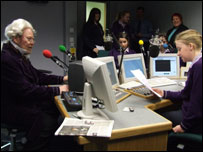 Students interview Roger "William Roscoe Schooled in SlaveryBy Pauline McAdam Liverpool school children recreate the slavery debate of the 18th Century, in special radio bulletins. Year 8 pupils from St Hilda’s Secondary school have been 'meeting' the key characters of the day as they recreate the stories and events of Liverpool in the late 1700’s for special radio bulletins. Two hundred years ago the slave trade was finally made illegal when William Wilberforce’s law was passed by in Parliament. 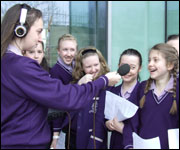 students record slavery bulletins The slavery debate was at its fiercest in Liverpool, one of the crucial three points of the so called Triangular Trade with Africa and America. The girls from St Hilda’s used original letters and speeches to recreate events like the first sermon by converted slave captain John Newton, who went on to pen “Amazing Grace”. BBC Radio Merseyside’s Roger Phillips donned frock coat and wig to get into character as abolitionist Liverpool MP William Roscoe. A fun way to learn about historyThe girls worked in and around the BBC studios in Hanover Street to 'cover' stories like the close shave when abolitionist Thomas Clarkeson was almost pushed to his death at the Pier Head by an angry mob. They grilled slave trader James Penny about his dubious source of income in the 'African Trade'. They became worried phone in callers fearing for their jobs as rope makers and innkeepers if the slave vessels stopped shipping out.
Ken Edwards is the Enterprise Development Officer at the school and says that the girls gained a great deal from the project. “We’re always looking for opportunities for the students and this is a classic example of reaching out, working with a local organisation like the BBC and helping the students to learn by allowing them to take risks. "It wasn’t natural for some of them to record their voices, especially the quiet ones, but they all did it. And they’ll be able to use these skills when they create multimedia content for the school’s own website." 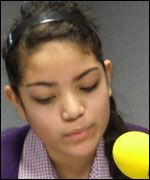 Recording in the studio For the girls it was more than just a day out from school, although 'fun' and 'meeting Tony Snell' were common highlights. Ken says, "The girls found it a fun way to learn and they thought it really helped them to remember about the history because they were learning it in a different way. "They also loved finding out how a radio station works, and using the microphones to record vox pops.” And BBC staff Roger Phillips, Andy Ball, Eric Wise, Wayne Clarke and Graham Whyte enjoyed trying their hand at being Liverpool gentlemen of the 18th Century. last updated: 18/09/07 You are in: Liverpool > Abolition of Transatlantic Slave Trade > Schooled in Slavery
|
| | About the BBC | Help | Terms of Use | Privacy & Cookies Policy |