| 13 November 2014 |

| |
| BBC Homepage | | |
| |||
| Contact Us | | |
BBC IntroducingYou are in: Lancashire > Entertainment > Music > BBC Introducing > Demos: dos and don'ts! 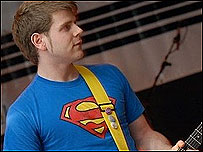 Demos: dos and don'ts!Want to get your music heard? Iain Bolton gives his dos and don'ts for getting your demos noticed... Iain Bolton FactfileIain started off playing 'Drunken Sailor' on the keyboard at eight years of age and moved onto the piano at 12 due to watching 'An Evening With Elton John' but quickly found that it wasn't for him so packed it in for the guitar. The self taught guitarist joined his first band at 15. He studied music at GCSE and A-Level as well as Music Tech, then went on to Leeds College of Music and did a BA(Hons) Degree in Music Production and acquired work experience at various radio stations and presented his own radio show at Leeds Student Radio. He also formed electro band in his last year at Uni called 'I Call Shotgun' and started gigging. After graduating, he became a freelance sound engineer and runs his own rehearsal rooms and recording studio in York with a fellow band mate. Iain has seen and produced thousands of demos through his time working at radio stations and playing in bands...so offers his top tips on producing demos. A&R people, Radio DJs/producers and music venues are sent hundreds of demos weekly...so make sure yours stands out from the crowd! Below are some helpful hints on how to get your all important big break... 1. First impressionsMake your demo look professional - there are loads of different software packages for making CD labels and covers. Using a standard CDR and writing the band name and track listings on the CD by hand looks sloppy and will often result in your CD being binned. Look at your favourite albums to see how their covers/labels have been designed and try to mimic that. You don't have to be an expert in graphic design to produce a professional looking CD label...often simple designs are the most effective. When it comes to applying your designs to the CDs or cases you can buy CD Label stickers which can be printed on any standard printer or buy printable CDs that can print direct to CD. These will give your demo a professional looking finish and will help it stand out against any hand written ones. Even if you have agreed to send someone a demo CD either on the phone or via email, still make the effort and don't send out a rushed job. The person you're sending it to will be more impressed and it will give you the edge from the rest of the pile on their desk. 2. Give the necessary informationWhen designing the CD label and cover make sure you put the following information on both; band/artist name, working contact details, working myspace/website address and track listing. THESE ARE MUST HAVE PIECES OF INFORMATION! Often CDs are separated from their cases so having this information on both means that the person listening always knows who you are and what they are listening to. 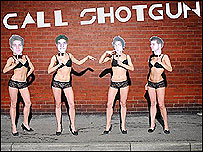 3. Get noticedMake the cases interesting and standout - a lot of demos are submitted in clear plastic wallets and in the standard CD jewel cases. They might be practical, cheap solutions but are very boring and dull unless accompanied with professional looking covers to make them stand out. An easy way to grab the attention of someone who is flipping through a mass of CDs is to use interesting and quirky packaging. Use clam shell cases, metal CD tins, anything that isn't the norm but is eye catching. These don't cost the earth and help distinguish you from the others. 4. StructureDemos shouldn't consist of more than 3 tracks, use your three strongest tracks with the best track first. If you aren't sure how to order them ask friends, family, anyone really and get their opinions on your best songs. Often when you're surrounded by your own music you can lose perspective on it; outside opinions and criticisms are very useful and also help you progress and expand. The reason for having a maximum of 3 tracks is people just don't have the time to listen to much more and having your three strongest tracks is enough to showcase your sound if you are the next big thing. 5. QualityThe standard and quality of the recording DOES MATTER. If your demo receives a listen and is up against well recorded and produced music, it has to compete and match it for quality. A very good way to analysis the quality of the recording is to compare it to similar artists who are signed and have professional recordings in the shops. This will give you a source of reference and enable you to gauge the audio quality of your demo. You will need to play the tracks so they sound like they are at the same volume, as professional CDs are mastered which increases the overall loudness compared to many home and studio recorded demos. 6. Follow upAfter submitting a demo ring the person you sent it after a few days or a week. Make sure you've given them plenty of time to have listened to it. Be polite and chatty! Here's an example of a good follow up call. 'Hi is that [Joe Bloggs]... my name is [John Smith] from [Band Name]. Is now a good time to talk? I was just wondering if you received our demo we dropped in the other week and if you've had chance to give it a quick listen?' They will either say yes or no (obviously!), if they say yes they will probably give you some feedback on it and if they haven't had chance yet they are more likely to dig it out and give it a listen. What ever you do, DON'T pester them by ringing them up everyday, they won't like it and you're sure to give your band a bad rep. If you haven't heard anything a week later then give them another quick call back because they will have probably forgotten! Summary- Make your demo look awesome...if you think it looks bad then it does and you are wasting the time of the person who you are sending it to. last updated: 10/09/2008 at 16:25 Have Your SayKas denise procter You are in: Lancashire > Entertainment > Music > BBC Introducing > Demos: dos and don'ts! |
| | About the BBC | Help | Terms of Use | Privacy & Cookies Policy |