Voices| You are in: Kent > Voices 2005 > Talking funny | 
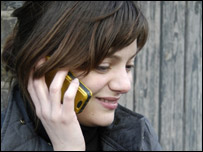 | | Kent speak! |
Talking funny
The BBC Voices project, a fascinating exploration of language in the UK, has helped to dispel a number of myths about English accents and dialects. | Myths about accents and dialects
By Dr David
The popular stereotype that all south east varieties sound alike, for example, was quickly belied by the extraordinary richness of language variation which emerged even within Kent.
Some of these differences were geographical: older people in the Weald may still have brudder for brother, for example, while the Medway towns are increasingly adopting the Cockney variant bruvver.
But a more important factor appears to be the rural/urban divide.
While 'Estuary English' - the selective adoption of non-standard London features - is much in evidence in the towns, traditional East of England pronunciations like goo for go, fishen for fishing or doo for dew are still heard in many Kentish villages.
Rural and urban differences may overlap with class, with both rural villages and socially elevated groups tending to retain older, conservative English pronunciations like awff and frawth for off and froth. If you want to find out more about English accents and dialects, the University of Kent, in association with BBC Radio Kent, will be holding a Day School entitled 'Talking Proper and Talking Funny', on Saturday, 5 November 2005 at the Canterbury campus.
DAY SCHOOL DETAILS:
 For full details contact the UKC Information and Guidance Unit on Freephone 0800 975 3777 or at [email protected]. The course fee is £30 (concessions £15) For full details contact the UKC Information and Guidance Unit on Freephone 0800 975 3777 or at [email protected]. The course fee is £30 (concessions £15) |
Find out more about Dr David Hornsby | | | SEE ALSO
| | | You are in: Kent > Voices > Talking funny | | |
On the rest of the web The BBC is not responsible for the content of external websites |
|