 | 28 October 2014 |

| |
| BBC Homepage | | |
| |||
| Contact Us | | |
Other BusinessYou are in: Jersey > Inside the States > Other Business > Goods and Services Tax 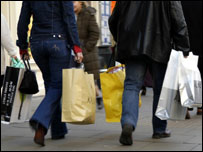 Goods and Services TaxBy Fiona Macpherson We take a look at GST, what it is, why it’s coming in and what it means to the island. Jersey, the biggest and most southerly Channel Islands, is known for its wealth and good living. But behind the riches is the force that keeps the island buoyant, the finance industry. As part of the British Isles but not the UK, Jersey sets its own laws including on taxation. 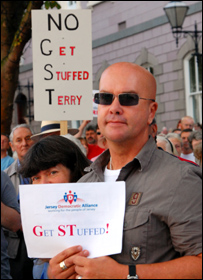 And so for years Jersey has made itself very attractive to bankers, trusts and fund managers. Jersey’s offshore financial service keeps the island stable, but now there are ripples in the water. The island’s Treasury Minister Senator Terry Le Sueur explained recent EU legislation had forced the island to protect its status The Senator told us: “the EU are trying to harmonise tax across Europe and they want to cut out harmful tax practices. So they asked Jersey to make sure all the companies in Jersey pay the same rate of tax. “That tax rate, for commercial reasons, needs to be at 0% in order to remain commercially competitive.” He says the island decided to bring in a VAT style system to make up for a loss of income once the low tax system for business came in: “of course we were used to tax rates of zero. We had a tax shortfall from company tax of up to £100 million a year and that money had to be made good by some other means.” 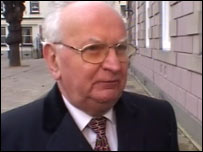 The goods and services tax will add 3% to the price of most goods and services in the island including food and children’s clothes. And it’s not been popular with thousands of islanders. Many gathered in Jersey’s Royal Square to protest against it. Fifteen thousand people signed a petition asking for the States to investigate the alternatives to GST. One expert who advised the States is Richard Murphy he managers an international tax research company and thinks more should have been done: He told us “Quite a number of alternatives were put to Senator le Sueur. They included, for example, increased National Insurance contributions, they included a land value tax which would have charged business premises to tax quite heavily and therefore would have collected money from the finance industry. “they included the imposing of charges at a much higher level on the creation of Jersey companies and in particular Jersey trusts, of which we suspect there are several hundred thousand and which pay no contribution to the whatsoever to the Jersey Government at all in any form of fee or tax.  Cash “we did give a whole range of options, none of which would have been of a significant amount for any one user of the tax haven but which could, none the less, have collectively helped fill this black hole and most certainly collected more than GST” But Senator Terry Le Suer believes GST is the least worst option. He explained that “not many taxes would raise a figure in the region of £45 million a year. We looked at the options and felt that GST was best.” “we need to adjust our corporate tax system in order to retain our finance industry and in order to avoid a far greater drain on our tax revenues, which could have been £200 million a year or more if the tax were to go elsewhere. So it the tax least worst option for banks and trust funds? The financial sector say they aren’t getting off lightly, The Chief Executive of Jersey Finance, Geoff Cook, told me that unlike sales taxes in other countries Jersey’s financiers are paying five million in taxes. He explained: “If you look at other countries the vast majority of financial service business are not involved in sales taxes or VAT at all it is actually a consumer tax. But we have been asked by the Treasury Minister to make a contribution.” 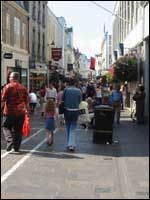 GST will be set at three percent for three years. With sales taxes in many other countries much higher I asked the Chairman of Jersey’s consumer council, Alan Breckon, why so many people were concerned. Deputy Breckon told us “Jersey is a fairly expensive place to live anyway and if you are on a pensioner income of £200 and they are going to be paying another £4, £5 or £6 a week then that is significant for them and that’s what a lot of this is about. “Although 3% and £6 may seem insignificant it isn’t to those people and that’s really what they think is worth protesting about.” So the tax will more than likely come to Jersey in 2008. Many aren’t happy about it, but the finance sector is, and with banking, trust and fund management making up half of Jersey’s economy, their happiness and belief in the economy’s stability is vital to keeping the island afloat. last updated: 18/09/07 Have Your SayVote Him Out Vale carl ecobichon The Mission Man Joker C Philip Roger GST Opponent You are in: Jersey > Inside the States > Other Business > Goods and Services Tax  PoliticsPolitics is talked about and covered across our output. |
| | About the BBC | Help | Terms of Use | Privacy & Cookies Policy |
