Watch the latest show |  | "I'll have to just let the home go, and just have what pittance he wants to give me for it. "
Dorothy Pritchard | Park Homes - haven |
Park Homes swindleFor thousands of people across the Midlands, prefabricated or mobile homes provide a cheap alternative to traditional bricks and mortar. They're especially popular with the elderly, whose children have fled the nest and are looking to downsize. The homes make economic sense, and living on a site with other mobile homes offers some security. Or does it? Inside Out has uncovered evidence that residents of a Wolverhampton mobile home park are being cheated out of thousands of pounds - by the site's owner. Moving home
Pensioner Dorothy Pritchard lived at the Oxley Court site, until her health persuaded her to move out into sheltered accommodation. As her life savings were tied up in the property, she decided to sell up.  | | Dorothy Pritchard - life savings under threat |
At first it seemed to be going well - the home was valued by an estate agent at £90,000 and a buyer was interested. But Dorothy hadn't reckoned on Christopher Nedic. As the site owner Mr Nedic has to approve every sale. He refused on the grounds that Dorothy's home has structural problems - a claim she denies: "I got a structural engineer, and he went over the premises and he found what was wrong with it were just cosmetic things. "And he said it should last another 25 years."
By blocking sales Mr Nedic forces owners like Dorothy to sell to him instead, at rock-bottom prices. Then he can put a brand new unit in its place to sell for a large profit. Blocked sales  | | Solicitor Alexa Collis says Nedic is breaking the law |
We've heard from a number of former residents who've lost thousands of pounds as a result of blocked sales.
One, who wished to remain anonymous, put her home on the market for £45,000. Eventually she felt she had no choice but to sell to Mr Nedic - for just £700. "I very quickly had a buyer who offered me the asking price. "Mr Nedic said I couldn't sell it because it was six inches too close the one next door. "It went on for 12 months with me hoping he'd change his mind but he didn't. "I'm 67, and it lost me the rest of my life savings really."
Solicitor Alexa Collis says Mr Nedic is breaking the law. "The only grounds a site owner would have for refusing his consent to the sale of a park home would be the purchaser's credit worthiness. "Say, for example, they had a string of county court judgements, or were known not to meet their financial obligations."
Undercover visit We went undercover to see Mr Nedic's tactics for ourselves. 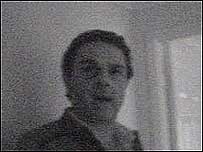 | | Nedic caught on camera by Inside Out on an undercover visit |
Posing as interested buyers we were shown round a new mobile home at Oxley Court by Mr Nedic. But when our reporter showed an interest in Dorothy's home instead, he had this to say: "Don't bother. You're wasting your time. "The concrete pad that it sits on - it's cracked right down the middle. You can buy it. "But it's got to be moved off the pad, and it might fall to pieces."
He also made it clear that he had no intention of allowing Dorothy, or indeed any of the owners of older homes on the site, to sell to anyone else. "I always buy them back. It's just the old ones - because we're developing the park, we wouldn't allow any of these to sell." For Dorothy, there's no happy ending in sight: "I'll have to just let the home go, and just have what pittance he wants to give me for it. "And I don't think it's fair, because I've worked all my life, and that's my money, it isn't his."
Links relating to this story:The BBC is not responsible for the content of external websites | 



 Inside Out - West Midlands: Friday March 23, 2007