The Fleet - discovering nature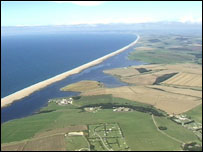 | | The Fleet lagoon is the largest in Britain |
The Fleet lagoon in Dorset is a natural and scientific wonder. At eight miles long it is the largest lagoon in Britain. But that calm, apparently unchanging surface masks a fascinating story of great variation. To the creatures that shelter in its depths, its a place of sanctuary but its also a place of remarkable change. These changes have been caused by natures most powerful forces. And there are changes you can see today as Chris Packham disovers in a journey along its length. At Ferry Bridge, at the lagoon opening, tides wash sea water in, but gentle currents allow sand to settle on the base of the lagoon. The sheltered conditions provide a calm alternative to Portland Harbour, for a range of marine species. | THE FLEET | The Fleet lagoon has been described as the largest, finest and best studied example of its type in the UK. The lagoon measures approximately 900 metres across at its widest point (Littlesea) and has taken over 5,000 years to evolve. The lagoon bed and the majority of the shore has been owned and privately managed by the Ilchester Estate for over 400 years.
Fleet Lagoon is home to many different species of wildlife, particularly birds including the mute swan, a unique herd of which has been farmed at the Abbotsbury Swannery since the 1300s.
The area is now subject to an English Nature conservation objective aiming to protect the geology and natural habitat of the lagoon. |
But just one mile west where the lagoon narrows the scene is far less peaceful. Tidal water funnels through the narrow channel, creating strong currents which scour the lagoon floor and dump pebbles from the beach. In the heart of the lagoonal basin, its a very different picture again. Here, its a far more brackish environment. Sea water is not carried up this far by the tides and freshwater run-off from the fields collects in the lagoon. Another difference is that here the bed of the lagoon is made up of a soft sediment material. The lagoon bed is rather like a natural time capsule, made up of different layers of material, washed in from the sea and off neighbouring fields, and laid down over thousands of years. Fossilised in it are ostracods - tiny shrimp-like creatures - which have given expert Alasdair Bruce an amazing insight into the changing lagoon. There are thousands of different species of ostracod and each one has its own favourite habitat. Some thrive in freshwater, others prefer a saltwater home. The fossilised ostracods are salt-water loving but they are in part of the lagoon that receives fresh water. Alasdair believes they were brought to the lagoon by a giant wave - a tsunami - triggered by the Lisbon earthquake of 1754. Today, we can only wonder at the resilience of the wildlife that survived such an event.
Links relating to this story:The BBC is not responsible for the content of external websites | 



 Inside Out - South West: Monday October 10, 2005