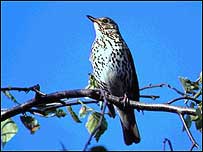
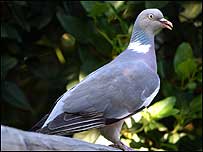
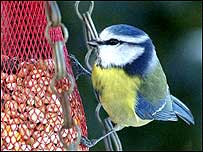
 | | Winter is the best time of year for garden birds | Winter visitor - Blue Tit on garden nuts c/o PA Images | |
Garden birdsHave you always fancied getting interested in wild creatures, but haven't had the energy to do it? Well now is the best time to do something about it. There is no question which type of wildlife is the easiest to watch - garden birds. They're beautiful, they're fascinating and you don't even have to leave the comfort of your house.
We show you what you can see in your own garden with the help of Inside Out's Sam Bayley.
Our lazy guide to wildlife
Top tips from Adrian Thomas from the RSPB: * Winter is the best time of year for garden birds and it's easier to spot them without tree foliage to hide them.
* Invest in a decent pair of binoculars for a bird's eye view of garden wildlife. * Food is scarce at this time of year, so if you put food out, you're going to see lots of birds. * Put out food on a regular basis. In severe weather, feed the birds twice daily if possible - in the morning and in the early afternoon. * Once you establish a feeding routine, try not to change it so the birds keep to a pattern. * Never give milk to garden birds - they can't digest it and it can result in serious stomach upsets or even death. A bird's gut is not designed to digest milk.
* Birds can, however, digest fermented dairy products such as cheese, and mild grated cheese can be a good way of attracting Robins, Wrens and Dunnocks.
* Polyunsaturated margarines or vegetable oils are not suitable for birds. Birds need high levels of saturated fat, such as raw suet and lard. Birds need this to keep warm in the worst of the winter weather because their body reserves are used up quickly.
* Don't forget water, for drinking and bathing. * Salt is bad for birds so avoid salted peanuts. * Allow parts of the garden to be rough - more insects mean more birds.
Bird ringing
Some amateur bird watchers need to go that one step further and get a little more hands-on. So why not become a bird ringer? 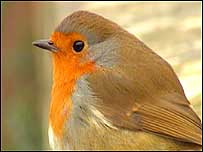 | | The Robin - a popular garden visitor in winter |
Birds are caught and ringed to assess movements and for population studies - the information goes to the British Trust for Ornithology. Most ringers are amateurs who relish the opportunity to hold a bird in their hands. It takes two to three years training to get a license to do ringing so you don't injure the birds.
Ringing helps to identify population movements of birds and assists with conservation work.
If ringing doesn't appeal, there are many ways you can help organisations such as the RSPB with their survey of British birds.
The RSPB is currently run the Big Garden Birdwatch project and anyone can get involved on 27 and 28 January 2007. For more information... Visit the RSPB website for a full list of events: RSPB website - The Big Garden Birdwatch Links relating to this story:The BBC is not responsible for the content of external websites | 



 Inside Out - South East: Friday January 26, 2007