Rivington | | Wonder of the North West - Rivington's gardens |
One of the hidden gems of the North West are the Chinese gardens of Rivington. High up in the West Pennine Moors, they are also one of the most inaccessible places in the region. Created by the industrialist Lord Leverhulme, these gardens are now derelict. But, throughout this winter, teams of foresters have been waging a battle with nature. Simon O'Brien investigates the history of the estate and looks at plans for the future. History of the gardens
William Lever was one of the world's most extraordinary men - a tycoon, a multimillionaire, a social reformer and philanthropist, a relentless art collector and a man who believed in the benefits of fresh air.
He built a global business empire based on sales of soap - and laid the foundations for history's first multinational corporation - Unilever. In the process he amassed a fortune, gained a peerage and acquired one of the greatest art collections the world has ever known. He bought 200 acres of moorland between Chorley and Bolton and created his country estate.
Terraces were blasted into the hillside, and ornamental ponds and waterfalls replaced the moss. One hundred and fifty thousand plants were set around his Italian and Japanese gardens, complete with Pagodas and tea houses. As an army of 40 gardeners kept the vegetation under control, Lever described Rivington "as my idea of heaven". He built a small palace out of wood modestly calling it 'The Bungalow'. In the grounds, the great and the good came to be entertained. Rivington under attack In just 15 years of explosive expansion, Lever drove his company from a tiny operation in Warrington to be the world's largest soap manufacturer. He now had four houses - his main home in Wirral, one in London, one in Scotland and the summer retreat in Rivington. But his idyllic estate at Rivington was about to be rudely interrupted by a suffragette called Edith Rigby. 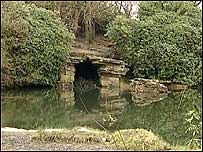 | | Lost wonderland - today the gardens are overgrown |
Edith was the wife of a Preston doctor but beneath her elegant social life, there lay a crusading reformer who despised her wealthy trappings. Above all, she was a Suffragette who wanted women to have the right to vote.
Mrs Rigby was a militant, who mounted guerilla raids against the establishment. She threw a bomb into Liverpool Cotton Exchange, and in June 1913 she burned down Lord Leverhulme's wooden bungalow.
Leverhulme - who was dining elsewhere that night with the King and Queen - was devastated. He never understood why he'd been singled out - he said that he was in favour of votes for women.
But, undeterred, he had a new bungalow built - this time made of stone. That too was demolished in 1947, and all that remains are some neatly laid floor tiles. In the 80 years since Lever's death, the gardens have been left to nature. Rivington was left as a huge, desolate site, but now there are plans to restore it.
Later this year, a bid will be made for heritage lottery funding to pay for improvements, which could take years to complete. Blight in the bushes
But there's a more pressing problem facing the estate - the 70 acres of rhododendron are virtually all infected with Ramorum Blight - a fungus also known as Sudden Oak Death. 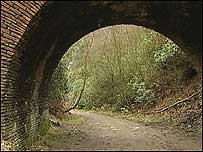 | | Restoration work will be complex |
The Government agency DEFRA has told United Utilities, which presently owns the land, to kill the lot because it could destroy native oak forests. The only way to kill off the blight is to burn it - and in every fire, a little bit of history is going up in smoke. The restoration work is so complex, that consultations are taking place with a number of groups - from horticulturists, designers and historians. One thing is for sure - this is a battle against time and nature that is not going to be an easy one. Links relating to this story:The BBC is not responsible for the content of external websites |