GEOCACHING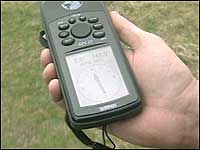 | | Treasure hunting twentieth century style |
Geocaching is the new hi-tech craze sweeping the country. We take you on this modern treasure hunt. Geocaching is the new treasure hunting game which involves looking for hidden treasure troves or caches. It's based on the same technology that enables airline pilots to find where they are. Geocaching uses two recent technologies - Global Positioning Systems (GPS) and the internet. A GPs looks like a mobile phone but it's actually a complex piece of new technology into which you can type in map co-ordinates. Using its tracking system, geocachers can track down any given location, guided by satellites out in space. Cache me if you can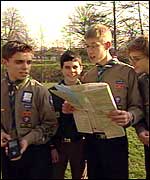 | | Grab your map, a GPs and you're ready to hunt the hidden treasure |
Geocachers hide treasure chests in secret locations, and then provide clues to their whereabouts on the Internet via sites like www.geocaching.com. Geocaching dates back to 2000 when the very first cache was hidden. Since then it's become a hugely popular hobby with caches being hidden all over the country from rocky countryside ridges to nooks and crannies in city centres. Once you've found the location of the cache, open the treasure chest - usually an old army ammunition box or plastic case - and you'll find some small gifts. You can take a gift and then leave one of your own. Before leaving, you should sign the guest book, adding a few words of wisdom. 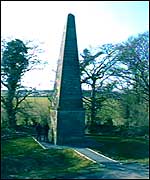 | | We found a treasure trove hidden by Nelson's Column in Swarland |
What is a GPs? A Global Positioning System (GPs) is an electronic device that can determine your approximate location within around 6-20 feet anywhere on the planet. GPs devices can cost anything from £100 to £800 depending on their complexity and memory bank.
You can use the GPs to navigate from your current location to another location using co-ordinates. Some GPs devices have their own maps, built-in electronic compasses, and even voice navigation. You don't need to know all the technical details about how GPs works.
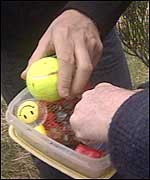 | | A typical cache contains small goodies and a note book |
All you need to be able to do is to enter a "waypoint" where the geocache is hidden. Bluffer's Guide to GeocachingGeocaching can be great fun, but following common sense rules means everyone can enjoy the sport without causing upset to the local environment. With the help of some experienced geocachers we've come up with a duffer's guide to the sport. - Start off by finding a variety of caches to get a feel for the sport and how to use a GPs device.
- Leave no trace of your visit - i.e. no litter or damage.
- Bring along your own trinket to swap with one you find in the cache.
- Sign the logbook to let others know about your visit and remember to log your visit on the web once you get home.
- Only once you have got a grasp of what's involved in finding caches should you think about hiding one yourself.
- A cache should be relatively easy to get to. Ask the permission of the landowner if you are placing a cache.
- A cache should be maintained, so only place them where you can keep a regular eye on them.
- The real joy of geocaching is the trail you follow and not necessarily the contents of the cache!
Do's and Don'ts- Do not bury a cache or place it in an easily damaged location such as a dry stone wall.
- Do not place a cache in an historic, archaeological or environmentally sensitive area.
- Do not place items in the cache that could be harmful (especially to children who might be unsupervised when they find the cache)
- Do not place food or items that might attract wildlife to the cache.
Join the treasure huntNow that you're ready to get started, you'll be able to look for over a thousand caches hidden around the UK.
Caches can also be found across the globe so happy hunting! | 



