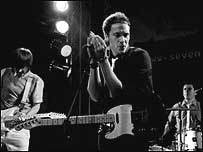
DIY and making it big! | | Taking it to the max - the North East's Maximo Park. PA Images. |
Seven Heroes have a lot in common with almost every unsigned artist or band. They all want to hit the big time. But how do you get into the same league as big name bands? The music business is notoriously competitive and unforgiving. For every Maximo Park and Sting, there's dozens of artists vying for the attention of industry executives. Here's a few tips on how you can set out on the path to rock stardom and perhaps even become the next Futureheads. Getting on trackSo you want to start a band - just where do you get started? First of all, be prepared for a huge amount of hard work and dedication. You'll also need a game plan - an idea of the sort of music you want to make and how to promote it. There's several different routes you can go down depending on your age and the type of music you're playing. Here's some of the routes you could take: Top tips | Do - Form a band and write some songs. Start gigging, develop a list of your best songs and record them in a studio or at home on a good computer package. Do - put yourself in the picture. Use websites like myspace and other online promotional tools to get your name out there. Do watch out for sharks and rip-off merchants. Check the credentials of whoever you're working with. Do make friends and influence people e.g. music journalists, management companies and A&R scouts. Don't rush things - take it step by step. Have a goal and work towards it. Don't start gigging until you're really tight and well rehearsed. Don't go in with false expectations - be realistic. Source: BPI and Sue Wilkinson 'When Will I Be Famous' |
Route 1 - Under 18s One of the easiest ways for under 18s to get involved with music is through school. Most schools have a school band, an after school club or music department where you can fine-tune your skills. Alternatively, ask your music teacher for advice, and take singing or musical instrument lessons. Find out about special rock summer schools and young people's events run by North East music agency, Generator. Find your musical soul mates - pin an advert on the school notice board or ask around on internet sites like myspace. When you're well rehearsed, try playing a few gigs in schools or community centres. But don't run before you can walk - you'll need get your act really tight before you unleash it on your unsuspecting school mates. Route 2 - Get educated There are some excellent music and performing arts courses at colleges and Universities throughout the region - check out Newcastle College and Northumbria University.  | | Dedication - Sting is a great example of tenacity and talent |
There are also courses in event management, music technology and the business side of the industry if that's your thing. Route 3 - New bands Start writing your own songs, and rehearse till you're really tight. Once you're ready, try out your set at a low key, friendly venue before going onto bigger things. Think about a game plan and don't forget about money - work out a budget of what you can afford if you're playing at home or abroad. Build a fan base through self promotion and the Internet - there are many great music websites which you can use to win friends and influence people. Make friend with local promoters and never pick an argument with venue if you want another gig in that town! Network like crazy - it's often who you know in the music industry that counts. Route 4 - Mature bands You'll probably have been gigging for awhile and have a decent back catalogue of songs. Once you've established a local fan base, build your audience through myspace, Internet marketing and mailing/texting fans. Start playing gigs in London and around the UK, become more selective about gigging at higher profile venues and events in your own town or city, and get your name out there. 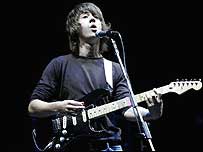 | | Do it yourself - Arctic Monkeys used the Internet to great effect |
The DIY approach to making music is easier than ever these days with reasonably priced home based studio and recording equipment. Take a leaf out of the Arctic Monkey's book - it's never been easier to distribute your music through the Internet and easy CD burning at home. Don't be blinded into thinking yo need a record deal to get your music out there - adopt a DIY approach. If your sales take off, record companies will start taking notice and will run to you. If nothing else, you'll make a smart profit which you can reinvest back in the band and new recordings. Starting a music revolution... Patience, tenacity, hard work and determination are important - keep on building your skills and song writing. Be critical of your own performance, be original and get advice from people who know what they're talking about. There's no magic formula but here are some basic tips: Songwriting - don't be afraid to experiment and don't bore the listener - use a Dictaphone or computer kit to record basic ideas. Don't copy established bands - there's only one Radiohead! Gigging - don't gig before you're ready. Make every gig a special event - create a buzz. Be well rehearsed and well prepared. Plan a great introduction. Keep your set short and sweet (20-30 minutes) - make people want more. Get the audience involved - make them excited.
Publicity - publicise your gigs, new songs and music. Develop your own website, fanzine or online community (via myspace or others). Produce your own posters, flyers and promo. Use word of moth - build up a mailing list.
Press - once you're more experienced, turn heads with headlines in the local and national media. Send CDs, press releases and biogs to music papers and radio shows who specialise in breaking new artists and bands e.g. Radio One and NME for rock bands. Local papers can be useful too as can regional TV as long as you have a news 'hook'. Image - take a long, hard look at your overall 'look' or style. Do you look like a rock star? Do you look cool? Develop a strong image - try something fresh and different to stand out from the crowd. Consult an image stylist or students on a fashion course.
Down to businessOnce you've created a vibe, contact record labels and managers but get some good gigs and reviews in the press under your belt first. Remember to do your homework - check that you're sending out the right type of music to the correct label. It's no use sending an indie rock CD to a dance label! Find out the names of A&R people - invite them to gigs, and arrange meetings if they're interested.
CD heaven - when sending out CDs, keep it simple with three tracks not two hours of material. Include a biog and contact details. Many scouts don't get past the first song so put your strongest first. Follow up with a phone call to get feedback. Never send out dodgy quality recordings - make the package look and sound as professional as possible.
Get a manager - a good manager with excellent links to the music industry can be worth their weight in gold, but remember that most charge a commission of around 20%. Finally...* Beware of rip-off merchants and poor deals - not every manager or record label will have your best interests at heart. Read the small print on anything you sign! * Join the Musicians' Union, consult a music lawyer before you sign a deal and always check the credentials of whoever you're working with. * Be focused - keep your feet on the ground. Read serious music magazines to keep up with the business.
Be critical of your own work and get advice from people with experience and a good reputation din the music industry. Generator, the Newcastle based music agency (0191 2450099), provides free advice and promotes local band showcases and events. But remember there's no substitute for talent and hard work... and with a little luck, you might just get noticed! Written by Sue Wilkinson | 



 Inside Out - North East: Monday January 26, 2007