| | | | | | | ||||||||||||||||
| | |||||||||||||||||||||
|
WHO to discuss smallpox research | |||||||||||||||||||||
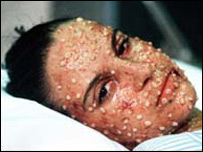
Az Egészségügyi Világszervezet genfi éves értekezletének egyik témája, hogy engedélyezzék-e a további kutatásokat a himlővírussal kapcsolatban. Imogen Foulkes jelenti: Smallpox is one of the deadliest diseases the world has ever known. It kills over a quarter of all of those infected with it. Those who survive are left disfigured and often blind. As late as the 1960s smallpox claimed over two million lives a year, but it was finally eradicated in 1977, a success for the World Health Organisation. The next step, to destroy all remaining laboratory samples of the virus was promised, but never taken. The proposal for genetic modification involves inserting a fluorescent protein into the virus. It will glow green if the virus is alive, but won't show if it is dead, so it is claimed it is a fast and safe test for antivirals. Critics of this research don't agree. They say it will open a Pandora’s box of genetic manipulation of dangerous viruses and may even end up defeating the WHO's stated purpose, which is to be ready with treatment should smallpox be released. They point out that the last person to die from smallpox did so after the virus escaped from a laboratory and they say the only real way to protect the world from this disease is to destroy it once and for all. Imogen Foulkes, BBC News, Geneva over a quarter infected claimed over two million lives finally eradicated The next step promised, but never taken genetic modification antivirals open a Pandora’s box destroy it once and for all |
| |||||||||||||||||||||
| ||||||||||||||||||||||




 E-mailezze el barátjának
 Nyomtatható változat