 | 13 November 2014 |

| |
| BBC Homepage | | |
| |||
| Contact Us | | |
FeaturesYou are in: Humber > History > Features > All the fun of the fair 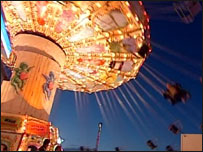 All the fun of the fairAs Hull Fair rolls into town again, we take a look at its colourful history. The fair can trace its origins to Medieval times. In England fairs were an opportunity to trade livestock and generally eat, drink and make merry away from the usual restrictions of everyday life. Due to their potentially raucous nature they were strictly controlled by the authorities by Royal Charter. This lay down the date and duration of each fair. The charter had to be renewed periodically. Hull fair received its first charter in 1279; making it one of the oldest still in existence. It was originally held at Easter and later on in September. 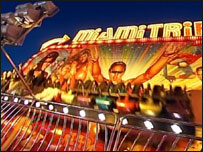 This autumn date caused some problems in 1752 when the calendar was changed from the Julian to the modern Gregorian one; causing the loss of 11 days. Hull locals took to the street as they thought the change would mean the loss of the fair. The uproar led to the change the date of the fair to the second week of October, which it remains to this day. It has survived longer than most. A law passed in 1871 saw the majority of traditional fairs shutdown by Victorian politicians, upset by the rowdy behaviour and drunkenness. The fair was home to musicians, circus performers, animal shows and other exhibits and curiosities. The rise of mechanical power meant that the rides and other amusements came to the fore. The rides and stalls have often been in families for generations. The traditional decorated fairground family caravans are parked up over winter as the rides are repaired ready for the summer season. last updated: 09/10/2008 at 11:08 You are in: Humber > History > Features > All the fun of the fair    Take a spin around the region |
| | About the BBC | Help | Terms of Use | Privacy & Cookies Policy |
