Scotland in Europe (II)
 |  |
The Rise of Edinburgh & Leith
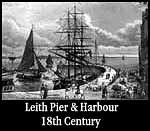 The benefits of Scotland’s European lifeline were felt mainly along the East Coast of the country. 600 years ago, Leith (Edinburgh’s port on the Firth of Forth) was Europe’s gateway to Scotland. Edinburgh had become Scotland’s Renaissance capital on the back of European trade across the North Sea in the 15th century. As trade expanded, so did Edinburgh. By the mid-16th century it was a busy town composed of two-storey houses in the lee of its formidable castle. By the mid-17th century, it had expanded into a bustling city (the second largest in Britain), crammed with lawyers, merchants and goldsmiths, as well as all the problems that are attendant with urban life. The benefits of Scotland’s European lifeline were felt mainly along the East Coast of the country. 600 years ago, Leith (Edinburgh’s port on the Firth of Forth) was Europe’s gateway to Scotland. Edinburgh had become Scotland’s Renaissance capital on the back of European trade across the North Sea in the 15th century. As trade expanded, so did Edinburgh. By the mid-16th century it was a busy town composed of two-storey houses in the lee of its formidable castle. By the mid-17th century, it had expanded into a bustling city (the second largest in Britain), crammed with lawyers, merchants and goldsmiths, as well as all the problems that are attendant with urban life. Edinburgh dominated Scots European trade, but the smaller East Coast burghs were the primary centres for the export of raw materials: Crail, Dunbar and Anstruther for fish; Prestonpans, Dysart, Culross and Kirkcaldy for salt; Montrose for grain, while Bo’ness on the River Forth was Glasgow’s gateway to the North Sea for the export of hides from across the West of Scotland. In return the Scots imported necessities, like timber from Norway, iron from Sweden and oranges from Spain. But they also imported luxury goods like wine, brandy and books from France; beaver hats from Normandy; and, especially from the Low Countries, pottery, jewels, tombstones, silk, carpets, glass, tapestries, works of art and apothecary's drugs. 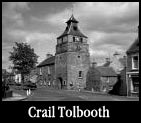 For many East Coast Scottish towns, being part of Europe was an everyday reality - a fact given architectural form in the Dutch-influenced designs of the tolbooths of Crail, Culross and Dunbar, the Kirk tower of Anstruther Wester, or the wealthy merchants' houses of George Bruce at Culross or James Dick at Prestonfield in Edinburgh. There are signs of the great wealth accumulated at this time all over Scotland’s East Coast. For many East Coast Scottish towns, being part of Europe was an everyday reality - a fact given architectural form in the Dutch-influenced designs of the tolbooths of Crail, Culross and Dunbar, the Kirk tower of Anstruther Wester, or the wealthy merchants' houses of George Bruce at Culross or James Dick at Prestonfield in Edinburgh. There are signs of the great wealth accumulated at this time all over Scotland’s East Coast.
The trade in goods complemented the trade in ideas encouraged during the Renaissance period, and ensured that Scotland kept abreast of the latest developments in a rapidly evolving and increasingly cosmopolitan Europe. 
 | |  | The BBC is not responsible for the content of external Web sites. |
|







