Cultural institutions
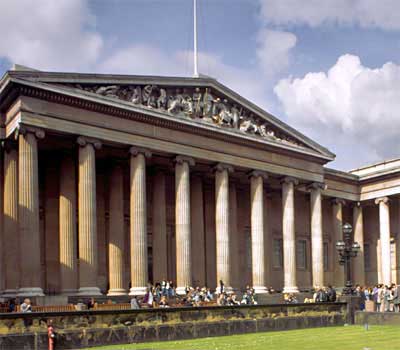
The links between national cultural institutions and slavery are sometimes harder to see, because they are more indirect. The British Museum opened in 1759 with a core collection that had been built up over many years by Sir Hans Sloane (1660-1753). A collector from childhood, he studied medicine in Britain and Europe before travelling to Jamaica where he continued his botanical interests. He married the widow of a wealthy Jamaican planter who brought substantial income from her plantations to the marriage. With this money, Sloane was able to indulge his passion for collecting artefacts of all sorts. His collection (71,000 items when he died) was bequeathed to the nation and became the basis for the original British Museum and its offspring, the Natural History Museum.
The National Gallery was set up with a collection of 38 pictures in the Pall Mall home of John Julius Angerstein. Born in St Petersburg, Angerstein made his wealth as an underwriter with Lloyds, and much of that business was concentrated in the insurance of slave ships in the Atlantic. Angerstein also owned plantations in the Caribbean. Like many others, he invested his money into property and luxuries - a grand home in Pall Mall and a collection of the finest private art.