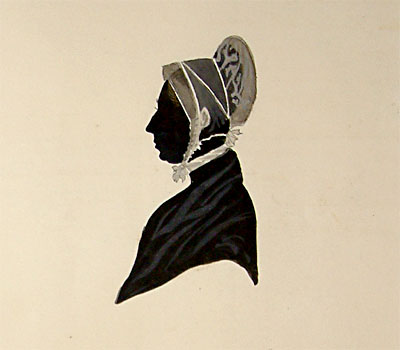
Elizabeth Heyrick
As British anti-slavery feeling revived in the early 1820s, the national movement's leaders, all men, were very cautious, believing that only by advocating the gradual emancipation of enslaved people could they get a bill through parliament. It was a woman, Elizabeth Heyrick, who contradicted them most forcefully, in an 1824 pamphlet called 'Immediate, not Gradual Abolition', which sold hundreds of thousands of copies.
From Leicester, a former schoolteacher and a convert to Quakerism, Heyrick believed that a woman was especially qualified 'to plead for the oppressed'. Besides roundly condemning gradualism, she shocked those around her by openly sympathising with the slave revolts in the West Indies: 'Was it not in the cause of self-defence from the most degrading, intolerable oppression?' Britons had sympathised with Greeks battling for their freedom from the Turks, so why not with enslaved people rebelling against their masters?
Her writing touched a nerve, and in the wake of her pamphlet more than 70 British women's anti-slavery societies sprang into being. Usually, unlike the men, they were 'immediatist'. Heyrick urged them on, campaigned for a renewed boycott of slave-grown sugar, and wrote more pamphlets. She supported prison reform, opposed corporal punishment, wanted the working day limited, and supported striking weavers even though her own brother was an employer in the industry. She died in 1831.