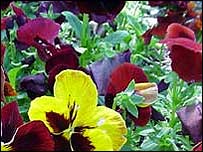
Sow winter flowering pansies Winter flowering pansies are one of the most popular of all autumn bedding plants and this is the best time to sow seeds, in order to get lovely stocky plants for this season’s planting schemes. These plants differ from the summer flowering varieties in so far as they have been bred to bloom when natural day length is shorter, and they perform best when they are bedded out in borders or containers by the middle of October at the very latest. This will enable them to get their roots established before conditions become too cold and have some flowers before Christmas. The best displays however are mostly from February until they are replaced by summer bedding plants in May. Although many gardeners grow them from bought in plug plants, they are very easy to do from seed.  | | Pansies |
All you need to do is to fill a seed tray or pot with good quality seed, or multi-purpose, compost remembering not to over-firm it. Sow the seed thinly over the surface, cover it lightly and water it in. Now we come to the interesting bit, in order to germinate, the seed needs to be kept as cool as possible, as if it becomes too warm it goes into a state of dormancy. This means that a greenhouse is likely to be too warm so place the sown pots, or trays, in a cool spot. Somewhere like the base of a North facing wall would be a good spot, but cover them with polythene in order to keep the compost moist. You should see some results in the way of seedlings in 7 to 10 days, then you must remove the polythene, but never allow the seedlings to dry out. After another couple of days move them away from the base of the wall in case they begin to stretch for the available light. As soon as they are large enough to handle the seedlings should be pricked out into trays, or even better small pots, in order to grow on into decent sized plants. Remember to grow them on, as cool as possible under good light conditions, as this will make them grow into compact plants ready for planting out later. While we are considering pansies if you have some Summer flowering ones in the garden that are becoming straggly, you could cut them back hard now to within a few inches of the base. A sprinkle of general fertiliser should awaken them into making nice new shoots, providing you with another flush of blooms from an invigorated, compact plant. 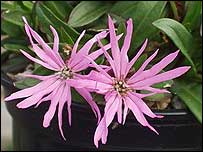 | | Lychnis |
An added bonus is that young shoots of named varieties can be taken and rooted as softwood cuttings to increase your stock. Among other seeds to be sowing at the moment are biennials and perennials like Primulas, Lychnis, Bellis, Aquilegia, and Lupins. There is still just about time to sow Wallflowers and still get some decent plants for putting out in early October. Tomatoes Most gardeners have a go at growing these and so I felt that a few words about how they should be being treated at the moment would not go amiss. The side shoots will need to be removed regularly on most varieties, except of course the bush varieties that are mostly grown outdoors like The Amateur, Red Alert, Totem or Tornado. Tap the flowers regularly, or mist them over with clean water, in order to encourage fruit setting. Spraying the plants over is particularly beneficial during periods of hot weather but remember not to do it until late afternoon when the sun is beginning to go down or you could damage the foliage.  | | Tomatoes |
Keep giving regular feeds using liquid tomato food as this has the high potash content much enjoyed by fruiting plants. Never allow your tomato plants to wilt or you will end up with a condition known as blossom end rot, which makes the bottom of the fruit turn brown and often sink in as well. It is caused by a lack of calcium that is made worse when the plants are allowed to become short of water. Any affected fruits should be removed as they will never recover. Make sure that your plants are well supported and remove the lower leaves gradually if they are yellowing, but do not expose the fruit to strong sunlight or greenback, a condition producing hard, green patches in the fruit, may begin to appear. Where tomatoes are being grown in a greenhouse, try to maintain the humidity levels as much as possible by spraying water over the paths in the morning, repeating it again in early afternoon if you can manage it, as this will help to promote setting of the fruit. Planted containers  | | Planted container |
Remember to keep dead-heading the flowers and removing any developing seed pods on bedding plants growing in containers like Fuchsias and Petunias in order to maintain continuity of blooming. Keeping the plants moist and regularly fed will also help to encourage the best display possible from your plants. | 







 Watch the