| 13 November 2014 |

| |
| BBC Homepage | | |
| |||
| Contact Us | | |
Local HistoryYou are in: Hampshire > History > Local History > City's pineapple past 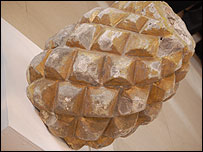 The pineapple from All Saints Church City's pineapple pastSouthampton isn't somewhere you'd normally associate with an exotic fruit, but take a look into the city's African Caribbean history and a fascinating story comes to light. In the Caribbean, pineapples are a powerful status symbol of welcome, hospitality and wealth. Images of the spiky fruit appear on gateposts, architecture, bed posts and even wallpaper. 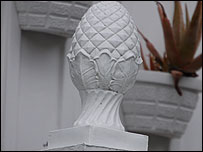 A decorative pineapple in Mousehole Lane Southampton has a significant population from the Caribbean whose forebears originate from Jamaica, St. Vincent, Barbados and Grenada. In addition, during the 16th century plantation owners from Southampton returned to the city bringing enslaved Africans home with them along with a number of Black sailors. So it's not surprising that pineapple 'welcome' plaques soon became a feature on some of the city's homes and buildings.  Corene Forbes teaching school children To celebrate Black History Month, community worker Corene Forbes and a group of school children worked on a pineapple project, hunting the fruits down around the city while learning about their cultural influences. "I was amazed, there's so much history behind it - I'd like to tell the history to the generation below me. The pineapples intrigued me so much, I'm trying to grow one!" 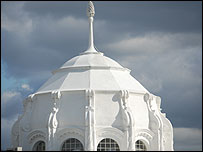 A pineapple sits proudly on top of the old pier Corene's research uncovered pineapple's adorning houses throughout the city including the Newtown area, Hill Lane and Mousehole Lane - the most prominent sits proudly on top of the old Royal Pier building. Until World War Two, All Saints Church stood in the centre of Southampton complete with a giant concrete pineapple on top of the cupola on the east end of its roof.  The art gallery features several exhibitions The church was destroyed during The Blitz. The pineapple survived and is a special exhibit at this year's Black History Month display at Southampton City Art Gallery. Black History Month (BHM) is held every October in Britain. This year the diverse city will celebrate with a wide range of events and activities from fashion to football. A full programme is available online or from the art gallery. The BBC is not responsible for the content of external websites last updated: 21/10/2008 at 11:41 SEE ALSOYou are in: Hampshire > History > Local History > City's pineapple past   |
| | About the BBC | Help | Terms of Use | Privacy & Cookies Policy |