| 13 November 2014 |

| |
| BBC Homepage | | |
| |||
| Contact Us | | |
Gibraltar to OrkneyYou are in: Guernsey > Island Games > A-Z of Islands > Gibraltar to Orkney > Jersey 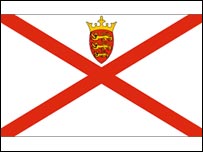 Jersey Flag JerseyJersey is the largest of the Channel Islands which has given its name to a breed of cow, a potato, a lily, a pullover and even a State in America. Geography & PopulationJersey’s favourable climate is due to the Gulf Stream and to the land sloping from the precipitous cliffs in the north to sea level in the south. The total population is about 85,000, of which 35,000 live in St Helier, the capital. The island is divided into 12 parishes with two other major centres, namely St. Brelade and the village of Gorey in Grouville. HistoryThere are Neolithic stone monuments which were an integral part of burial rites and religious ceremonies. Acheulean men were living in the island around 250,000BC and Neanderthal men occupied the Parish of St Ouen circa 125,000BC. The Channel Islands became part of the Norman realms in 933AD. In 1066, William, Duke of Normandy, landed his army in Sussex and became William I of England. In 1204 King John lost most of the Duchy of Normandy but the Channel Islands chose to remain loyal to the English Crown. This loyalty was rewarded by a charter granting independence. The modern fortifications seen all over the island are German, dating back to World War 2, when the Channel Islands were occupied by the Nazis. The islanders suffered great deprivation and nearly starved before Liberation on 9th May 1945, when the Germans surrendered to the British Forces. Government & EconomyJersey is self-governing with its own government, laws and taxes. The UK is, however, responsible for defence and foreign affairs. Each of the 12 parishes has its own unpaid Honorary police force, headed by a Constable who is elected by the parishioners. There is also a professional police force. The Legislature is called “The States” and has 53 elected members, including the Constables. Jersey has its own currency, but it has the same value as sterling and UK notes and coins are accepted everywhere. The main industries are finance, tourism and farming. Jersey’s finance industry is known worldwide and there are over 70 banks handling more than £100 billion in deposits, investment funds and trust assets. About one million people visit Jersey every year. Until 20 years ago, tourism was the most important element in the economy but the contribution of the finance industry is now very much larger. However, tourism is still important and considerable investment is being made for the benefit of both locals and tourists. Language & CultureThe main language is English but several people are still able to speak the local Norman-French patois. Portuguese is also relatively common, as many residents have links with Madeira. The Jersey Museum, La Hougue Bie Museum and Hamptonne Country Life Museum are all well worth a visit. Other major places of interest are the Zoo and the Eric Young Orchid Foundation. The island also has drama and music organisations. Sport & LeisureThe island was a founder member of the Island Games Association and has participated in every Games to date. It is an enthusiastic participant in other international competitions as well. Medals in 2007 Games in RhodesGold: 30 Medals in 2005 Games in ShetlandGold: 33 Medals in 2003 Games in GuernseyGold: 37 last updated: 24/06/2009 at 16:58 You are in: Guernsey > Island Games > A-Z of Islands > Gibraltar to Orkney > Jersey |
| | About the BBC | Help | Terms of Use | Privacy & Cookies Policy |