| | Gloucestershire only has 11 years of landfill space left. Devon and Cornwall have run out already and are transporting waste to other counties.
The average Gloucestershire household produces 100 black bags of waste each year around 1 tonne, the weight of a family car
A massive 43% of this household rubbish is organic material which could be composted
Gloucestershire-wide, this adds up to more than 100,000 tonnes of organic waste going to landfill that could be composted locally and reused as a natural resource in our gardens
In May last year the Government announced its proposals for the reduction of household waste, including a target for half of all homes to be composting by 2006 | | |
|  | Currently the county produces more than 260,000 tonnes of household rubbish every year and with household waste levels rising by 3% per annum, quantities are set to double in just over 20 years. In the next decade, as our landfill sites approach capacity, the county will be faced with having to expand by creating new sites, or polluting the environment through waste incineration. However, according to the Gloucestershire Wildlife Trust, a cheap and easy solution to the problem could be closer than we think - home composting. Home composting The Wildlife Trust is urging individuals and communities to start taking composting seriously as a means of cutting down the amount of waste that has to dealt with in conventional ways. The Wildfire Trust says composting is a realistic way of disposing of almost 50% of what would otherwise go into landfill and if everyone composted, it would result in a massive reduction in waste levels. Let's face it, it's down to us to make the effort to reduce the amount of waste we generate and composting could be a simple and painless way to do just that. So how does home composting work? Home composting is environmentally friendly and easier than you think. According to the Wildlife Trust, you can compost the following waste items that would otherwise be heading for the landfills: - kitchen waste such as peelings, teabags, egg shells and so on
- paper products like old tissues, used kitchen towel, egg boxes, scrunched card, documents - these all need to be shredded first to help decomposition
- bedding from vegetarian pets like rabbits and hamsters
- pure wool jumpers and cotton rags
- wood-ash
Dog and cat poo, coal ash, metal, glass, plastic, nappies, meat or fish and cooked food shouldn't be composted. How to compost If you have a garden there are a number of ways you can compost your waste. - Pile it all in a big heap and cover with something waterproof - nature will do the rest!
- Buy a compost bin for around £15
- If you're feeling handy, build your own box to store the waste for the compost.
What about people who don't have a garden to get involved with the composting? Well, don't worry because there are options available to you... - If somebody drinks tea, you can add the tea leaves from the bags to the plants in you house. Apparently this provides excellent nutrients and encourages growth.
- Invest in a wormery because these little creatures can break down waste in record time!
More information One of these days we're all going to have to take responsibility to safeguard our environment - maybe home composting is the first step. It could be a project you start with your kids! For a copy of the composting fact file call the Wildlife Trust on 01452 383333 or visit their website. The BBC is not responsible for the content of external websites 
|




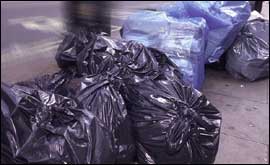
 According to the Wildlife Trust, Gloucestershire is facing a major waste disposal crisis in less than a decade.