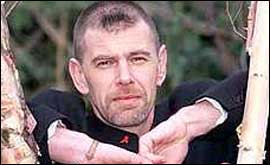
Probation officer Mike Arch, from Gloucestershire, explains drug testing and treatment orders - the strictest community-based penalties meted out as an alternative to prison.
Probation work  | I find it really hopeful work, really meaningful. You're alongside someone who is embarking on a really worthy but great struggle. |
Someone with a 10-year habit has to make such profound changes to their thinking and their lifestyle - it's extremely difficult. Normal probation orders involve a weekly meeting. This is a five-day a week programme, particularly in the first three months. Weekly drug tests The people we work with are typically men, aged between 18 and 35, unemployed, addicted to heroin or crack cocaine - and they may have been stealing every day to fund that addiction. But their offending drops as the treatment works, as they stabilise their lives. Whereas they may have been using up to £1,000 worth of drugs a week, that can fall to £40 a week. There's far less crime required to fund that. Rebuilding shattered lives Although it's called coercive treatment, the majority want treatment because their lives have gone horribly wrong and they are facing prison.  Someone with a 10-year habit has to make such profound changes to their thinking and their lifestyle - it's extremely difficult. Someone with a 10-year habit has to make such profound changes to their thinking and their lifestyle - it's extremely difficult. | | Probation officer Mike Arch |
The "orders" are now standard practice As the supervising probation officer, I'm responsible for making sure they turn up to all the appointments they're meant to turn up for. If they miss two - and that's two in a year - without a valid reason, then we take them back to court for breaching the order. Most come back and start going to meetings again. This initiative is the first step in moving resources away from punishment and into treatment. But it is not a palliative for all problems that are drug-related in crime. One of my first cases was a 25-year-old who had been injecting heroin since the age of 14. He was living in really dreadful B&Bs and spending up to £500 a week on drugs, most of which was funded through crime. I think he enjoyed coming to probation, it gave structure to his day. Intelligent, articulate, isolated We talked about his drug use - in which he was economic with the truth, both with me and with himself - his lifestyle, his relationships. "It's really hopeful work, really meaningful" But we also engaged in conversation - philosophy, current affairs. | People often take three or four attempts to address their drug-use and fail. That can motivate them to try again, to look at what went wrong. | | Probation officer Mike Arch |
For someone who's really isolated, who knows no one outside the drugs circle, that's really important. It's almost the old befriending approach, which was the original approach of probation many years ago. He really struggled to come to terms with his drug use - it was eight months before he got his first clean test. After six months, he realised that residential treatment was his only realistic option. He lasted about two weeks. It was very intensive group work, and it turned out to be too painful for him. It's the old befriending approach, which was the original approach of probation years ago But he came back, resolved to be drug-free. That's a really dangerous time for drug users, because their tolerance drops. He overdosed several weeks later, and came very close to dying. He was still making five probation appointments a week throughout all this. But in the end, it wasn't enough for him and I've not heard from him since. Seeds of change But it's still a success, as far as I'm concerned. This guy - and there's many like him - hadn't contemplated a drug-free lifestyle in 10 years. Yet he seriously looked at his drug-use and how it was affecting his life. And he did manage a period of abstinence, albeit short-lived. | People often take three or four attempts to address their drug-use and fail. That can motivate them to try again, to look at what went wrong. |  |
Story taken from BBC News
If you would like to comment on this story get in touch at gloucestershire@bbc.co.ukor have your say on our messageboard |