Successful fruit growing
What's the secret to successful fruit growing?
Preparation, preparation and preparation! There's an old gardening adage: 'spend a shilling on the plant and a pound on the ground', and that's certainly true of fruit growing. Good, well-prepared soil is essential to growing any type of fruit. This involves digging deep and incorporating plenty of well-rotted organic matter, especially if you're planting on virgin land or compacted, heavy soil. Additionally, most fruit grows best in slightly acid soil, but don't let this put you off; good soil is more important.
What are some of the more unusual fruit that can be grown in this country?
While we remained loyal to many good old varieties still worthy of a place in a British garden, changes in the UK climate and in fruit breeding mean that many new varieties of fruit can now be grown successfully . New grape varieties 'Lakemount' and 'Polo Muscat' are two particular favourites, as well as kiwis, peaches and cranberries, to name but a few.
What do you recommend for gardeners looking for something a bit different?
Why not try growing something that's not readily available in your local supermarket? Not only will you have fresh, tasty fruit, but you'll be saving money too. Some varieties to consider include:
Varieties to try
Cranberries
 These tangy berries are rich in vitamin C and are fabulous when used in sauces and stuffings. The plants are low-growing, creeping shrubs that grow best in damp, acidic soil and make ideal ground cover between other acid-loving plants such as rhododendrons. If you don't have naturally acidic soil, try digging a sunken bed in the garden, lining it with perforated black plastic and filling in with ericaceous compost. These are shallow-rooting plants, so you don't need to dig deep. Cranberries can even be grown as trailing plants in hanging baskets - just four plants will provide a family with a year's worth of berries, and the delicate spring flowers and colourful autumn foliage ensure year-round interest. They will need plenty of water, but don't require any pruning, and only a pinch of food every month during the growing period. When buying plants, make sure you buy mature plants: most varieties won't produce a good crop of berries until they are at least two years old.
Japanese wineberries
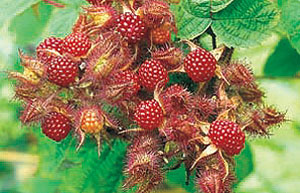
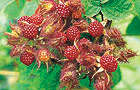 For an unusual alternative to raspberries, Japanese wineberries (Rubus phoenicolasius) are well worth a try. Their pinky-orange berries have a sweet-yet-tart taste that is ideal for using in cooking and baking, and their vigorous canes make a good, fast-growing screen. Treat in the same way as summer-fruiting raspberries: plant shallowly in a sunny spot with well-draining soil, tie any new growth to supporting canes or wires, and water regularly throughout the growing season. Wineberries have stems that are covered in a thick layer of golden bristles: although they're not particularly sharp, the bristles do seem to be a good bird-deterrent, allowing you to harvest more of these delicious berries.
Filberts
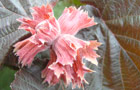 If you're looking for fruit-bearing plants that will also add year-round interest to your garden, try a pair of filberts! A lesser-known relation of the hazelnut, these elegant plants can be grown as medium-sized shrubs or small trees, and produce the most delicious nuts every autumn. The plants have both male flowers (which appear as golden catkins in the spring) and female flowers, which are small, red and unobtrusive. They are wind-pollinated, so you'll need two plants to ensure good cross-pollination. The nuts are usually ready for harvesting in September: pick them when the husks begin to yellow, but before they start dropping. They're particularly nice roasted and eaten warm. One variety that is worth tracking down is 'Red Filbert', a striking, burgundy cultivar that has long, red catkins, rich purple foliage and exotic-looking purple skinned fruits.
Medlars
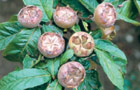 This isn't really a new fruit to try, more of a traditional British fruit (related to quince) that has recently fallen out of fashion in the garden. This is a shame, as their russet-coloured caramel-scented fruits are something you'll rarely find in a supermarket. Medlars are not often commercially grown as they have to be harvested when they are 'bletted', ie. starting to rot, and thus they're difficult to transport. Rotting fruit may sound a bit strange at first, but the sweet, fig-and-honey taste of a medlar's flesh is usually enough to ensure people see past this unusual attribute. The plants can be grown as either large shrubs or small trees and have a weeping habit with large, white flowers similar to a simple rose. Only one plant is needed in order for fruit to be produced, but you will need to plant it in a sunny, quite sheltered spot in order for it to thrive. Fruit is found on the ends of the plant's branches, so do be careful not to prune too vigorously.
Where to buy more unusual fruit
You may not find many of these plants in your local garden centre, but there are many mail-order fruit specialists across the country who will be able to help. Follow the links below for retailers listed with the RHS.