
A weed is simply a plant that is growing where it is not wanted. But why are they considered such pests? Here are some things you didn't know about weeds.
A weed is simply a plant that is growing where it is not wanted. But why are they considered such pests? Here are some things you didn't know about weeds.
There are many ways in which they succeed in popping up in the most inconvenient of places:
Stinging nettles are often used in herbal medicine for cleaning the body and making the heart work better. Nettles are packed full of vitamin C and new shoots are often used to make tea.
 There are many superstitions linked to weeds. For example, if you hold a buttercup under your chin and a yellow shadow appears, it means you like butter. Or, finding a four-leaf clover brings good luck. And if you touch a dandelion you will wet the bed! The French word for dandelion is Pissenlit, which directly translated means 'wee in bed'.
Weeds such as wild carrot, cow parsley and celery grow at least 350 seeds on a single flower-head.
Wild clematis grows climbing, sprawling stems up to 30m long (100ft) - that's about 20 people from top to toe!
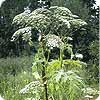 The world's largest weed is the giant hogweed, from Central Asia. It reaches 3.65m (12ft) in height and has leaves 91cm (36in) long.
A 14-leaved red clover and a 14-leaved white clover were both discovered in the US and both made it to the Guinness Book of Records.
Find a four-leaved clover!

BBC © 2014The BBC is not responsible for the content of external sites. Read more.
This page is best viewed in an up-to-date web browser with style sheets (CSS) enabled. While you will be able to view the content of this page in your current browser, you will not be able to get the full visual experience. Please consider upgrading your browser software or enabling style sheets (CSS) if you are able to do so.

