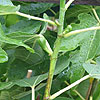
Figs are native trees of Syria and Persia, and have been grown in Britain since Roman times. Only a few varieties are hardy enough for outdoor cultivation on warm walls, where they survive most winters unscathed - very hard prolonged frosts may kill all the top growth, but plants revive from below ground. They are best trained on wires for ease of management, with the roots restricted (container cultivation is always successful), otherwise plants make more leaf than fruit. 'Brown Turkey' ('Brown Naples') is a prolific and reliable variety. The Royal Horticultural Society has given it its prestigious Award of Garden Merit (AGM).
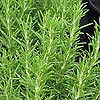
Rosmarinus officinalis Rosemary
Rosemary is one of the oldest Mediterranean aromatic shrubs in cultivation. It is still regarded as an essential culinary and medicinal herb, with an invigorating spicy flavour. As a specimen garden plant it is handsome and impressive at all times, especially when covered with its lovely flowers that attract bees and butterflies. Plant against a warm wall to help it to gain extra height, and preferably in a position where it is brushed in passing to release its lingering scent. To keep plants in shape, trim after flowering.
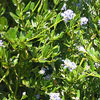
Ceanothus impressus 'Victoria' Ceanothus
A dense bush of a California lilac, it has masses of blue flowers in spring and early summer above the dark green foliage. Like its species parent, it's extremely reliable. A good alternative is 'Puget Blue', which is a magnificent dark blue. The impressus kind aren't totally hardy, but given a sunny, sheltered position, they should thrive without any problems. They can be trained against a wall where they've been known to reach up to 4.5m. Avoid cold, exposed sites, and give a light prune after flowering.
Chamaerops humilis Dwarf Fan Palm
This is the only palm native to Europe which gives an exotic focal point in any garden with its evergreen fan-shaped leaves. It is naturally slow growing and rarely exceeds head height. Given a warm, sheltered position it's safe to plant outside, but in colder areas it's best grown in a large tub and brought indoors during the winter. The Royal Horticultural Society has given it its prestigious Award of Garden Merit.
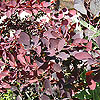
Berberis x ottawensis 'Auricoma' Berberis
A multi-purpose arching shrub, it has a good show of deep reddish-purple leaves that make the perfect foil for the mass of small, red-tinged yellow flowers in late spring. They are followed by egg-shaped red autumn fruit. Excellent at the back of a border, in a wild garden, or near a garden boundary where the vicious spikes keep everyone and everything out. The main requirements are full sun and good drainage.
To view the panoramic image, click on the garden with your mouse and drag it around the picture. To find out about the planting hotspots in the garden, click on the leaf icon above. To start and stop the audio commentary click on the speaker icon.
If you're having problems viewing the panoramic images read our help page. Alternatively, take a look at our still photography of all of the show gardens.
"London is experiencing water shortages following two very dry winters, but we can all chip in to help by making some small changes to our gardening habits.
"My garden displays fruits, flowers, shrubs, grasses and vegetables, all suitable for dry conditions. It includes water-saving features like mulches, raised beds, a chamomile lawn, lavender hedges and a Mediterranean-style garden. After the show the garden will be transferred to London Zoo. I hope that visitors who see it will go home feeling inspired to turn their own garden into a water-efficient oasis."
Mayor of London, Ken Livingstone - Creator of the idea of The Sunshine Garden
Discover which garden the public voted their favourite in this year's BBC RHS People's Award.










 "London is experiencing water shortages following two very dry winters, but we can all chip in to help by making some small changes to our gardening habits.


