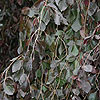
Most forms of common beech are too large for small, modern gardens. However this pretty, weeping tree with intense purple foliage is an asset in any planting plan. Over many years it forms a mushroom-headed dome of foliage.
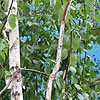
Betula utilis var. jacquemontii Himalayan birch
A favourite multi-purpose tree, this betula cultivar is a vigorous tree that is grown for its snowy white bark. It looks stunning all year round, but especially in autumn when its foliage turns yellow and on grey winter days when it really stands out in the bare garden. In early spring, the tree produces yellow-brown catkins. Avoid growing on poor chalky soil as this can make the leaves turn yellow and sickly. The variety is more variable than the cultivars, which have brighter white bark. The Royal Horticultural Society has given it its prestigious Award of Garden Merit (AGM).
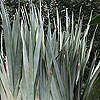
Dracaena draco Dragon tree
Older specimens of these trees make dramatic umbrella-shaped outlines in their native Atlantic island habitats, such as the Azores and the Canaries. In this country, they are tender, but small plants do make good houseplants, especially as they are very slow growing. Stiff, lance-shaped leaves radiate out from a thick stem, in a spiky, palm-like way. Red sap is secreted when the leaves are cut, known as dragons blood, which gives it its common name of dragon tree. The Royal Horticultural Society has given it its prestigious Award of Garden Merit (AGM).
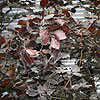
Fagus sylvatica 'Dawyck Purple' Beech
The common beech is a long-lived tree, and very large, more than 30m (100ft) high, which thrives on lighter soils, especially chalky ones. There are many decorative varieties more suitable for gardens, including 'Dawyck Purple'. This is a smaller, narrow form with layered branches that curve slightly upwards and produce a mass of purple foliage. This tree will stand some shade, but colours better when given a sunny position. The Royal Horticultural Society has given it its prestigious Award of Garden Merit (AGM).
Cyperus papyrus Papyrus
Papyrus is a highly ornamental rush that can be grown outside during the summer months. It forms an upright clamp on long stalks each one topped with an umbrella of fine green foliage. It's an attractive, architectural plant that combines well with other low-growing water plants such as irises and water lilies. Plants require a very wet site, where their roots are standing in water to produce the best effects. They are not frost-hardy and must be overwintered in a warm greenhouse or conservatory.
To view the panoramic image, click on the garden with your mouse and drag it around the picture. To find out about the planting hotspots in the garden, click on the leaf icon. To watch a video about the architectural features in the garden, click on the arrow icon.
If you're having problems viewing the panoramic images, take a look at our still photography of all of the show gardens.
"I have a passion for natural stone, industrial architecture, environment and high impact plantings. I've drawn inspiration from our chronic environmental problems and I'm striving to present a garden demonstrating the aesthetic and environmental benefits gained through planting trees in our urban spaces.
"Trees are a key theme and I'm attempting to showcase their foliage and trunk form and texture. Purples, mauves and silver are dominant throughout the plantings, providing a tranquil and romantic link to the Australian Bluestone used as paving and walling. Other features are fish tanks teeming with live fish perched over a tranquil pond in the central wall and a modern industrial sculpture. Both are designed to complement the relaxed Australian outdoor lifestyle and cultural diversity."









 Watch a video tour
 Download a takeaway plan
 "I have a passion for natural stone, industrial architecture, environment and high impact plantings. I've drawn inspiration from our chronic environmental problems and I'm striving to present a garden demonstrating the aesthetic and environmental benefits gained through planting trees in our urban spaces.


