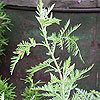
Named after the Greek god Artemis, this soft, aromatic shrub with feathery grey-green foliage, is used extensively in traditional African medicine. This clump-forming shrub produces erect branches of fluffy, fern-like leaves up to 1m (3ft) high, topped with small yellow flowers in spring. The whole plant has a pleasant sweet scent, rather like aniseed, but has an extremely bitter flavour. It's traditionally used to improve digestion, appetite and as a general tonic. The plant likes a well-drained soil and hot, sunny spot, and once established can rapidly spread. Cut plants back right down to grown level each spring to encourage soft new growth and prevent them from becoming woody. Although the plant is relatively hardy, it may well benefit from a winter mulch to protect its roots from the harshest frosts.
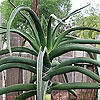
Aloe bainesii Tree aloe
In its native climes of South Africa, this slow-growing tree aloe can reach to an astonishing 18m (54ft) high. Its fleshy leaves, ridged with sharp teeth, give it a strange, slightly reptilian look. Although this plant isn't hardy enough to survive the year in an English garden, this dramatic desert plant is a very easy choice for a houseplant. Given a bright windowsill, gritty compost and only very occasional watering, the plant will be more than happy, perhaps even rewarding you with orange, poker-like flowers in summer.
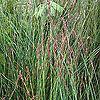
Rhodocoma capensis
A very elegant, reed-like South African plant with slightly arching, deep green branches with whorls of finely divided, feathery looking foliage. Either grow as part of a mixed border or in containers. It grows to a height of 1-1.5m (3-4ft) in three years, hitting 2m (6ft) when it's five to seven years old. Male and female plants flower sporadically from, approximately, September to November (depending on the weather), the female flowers being deep pink, whereas the male flowers are pale yellow-green. The secret is keeping them well watered. If they dry out and the growth goes brown, cut hard back and they should re-shoot, but don't let up on the watering.
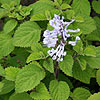
Plectranthus saccatus 'Lonitobus' Spur Flower
A shade-loving South African plant with white flowers, which makes an extremely effective show in a pot. The branches are tinged with purple and have soft hairs, while the aromatic, bright green leaves have large teeth. The flowers may have some purple markings, and are borne on one side of the stem from November to May. Make sure it avoids the worst of the winter weather, especially icy winds and sharp frosts. If necessary, prune for shape in early spring.
Olea europaea subsp. Africana African Olive
Very closely related to the European Olive, the African Olive, can be identified by its smaller, but still edible, fruit. Popular with people, as well as monkeys, mongooses and warthogs, the plant is tough and drought tolerant. With dull-grey to green leaves and a smooth trunk, the plant is highly ornamental in its own right, with the added benefit of retaining its leaves throughout the winter months. Like the European Olive, the plant is hardy in the milder regions of the country, where it should be grown in full sun in a well drained spot. Plants will benefit from occasional doses of liquid fertiliser during the summer months.
To view the panoramic image, click on the garden with your mouse and drag it around the picture. To find out about the planting hotspots in the garden, click on the leaf icon. To watch a video about the architectural features in the garden, click on the arrow icon.
If you're having problems viewing the panoramic images, take a look at our still photography of all of the show gardens.
"This design is an ideal way to show to people in the UK that gardens can be beautiful and life-giving. They provide food where little is available, medicines where there are none, and they enable people to understand how to manage the often harsh environments that are expected to provide for them."
Alan Capper - designer of GardenAfrica
Vote now for your favourite garden in the BBC RHS People's Award.









 "This design is an ideal way to show to people in the UK that gardens can be beautiful and life-giving. They provide food where little is available, medicines where there are none, and they enable people to understand how to manage the often harsh environments that are expected to provide for them."


