

Longer summers and warmer weather might sound like a dream come true, but the effects of climate change are not all good and could have far reaching consequences for our gardens.
Longer summers and warmer weather might sound like a dream come true, but the effects of climate change are not all good and could have far reaching consequences for our gardens.
England's days as a traditionally 'green and pleasant land' could be numbered if the predicted changes to our climate continue at the current rate. Within the next 50 to 80 years, cottage gardens, yew hedges and that great British institution, the lawn, will be battling for survival against warmer temperatures, wetter winters and drier summers.
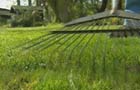 The impact of climate change on gardening is likely to have far-reaching effects on the average domestic garden and also the many historic gardens around the country. The predictions made by scientists are not just some sci-fi view of gardening for future generations. Gardeners around the world are already experiencing some of the effects, with heavy rainfall over the past few winters and periods of summer drought having an impact on what we plant and how we maintain our gardens.
Shorter winters followed by earlier spring bulb displays and trees coming into leaf, and the survival of traditionally frost-tender plants might seem like a bonus to gardeners. However, higher temperatures present a double-edged sword.
As Dr Andrew Colquhoun, director general of the Royal Horticultural Society (RHS), points out: "While there will be greater opportunities to grow exotic fruits and sub-tropical plants, such as citrus and cannas, increased winter rainfall will be difficult for Mediterranean species which dislike waterlogging. "
Warmer temperatures also bring new pest and disease problems for gardeners. The changing climate is already creating ideal conditions for the spread of insects such as lily beetle, rosemary beetle, berberis sawfly, red spider mite and new vine weevil species. Fungal diseases thrive with the wet winter conditions, and Phytophthora has already decimated some of the country's historic yew hedges.
 Plants that could become rare in the south-east include cottage garden favourites such as delphiniums and lupins. These require fertile, moisture retentive soil and will not enjoy the drier summers. Also on the endangered list are traditional spring displays of bulbs and tuberous plants which will be susceptible to problems with wet winters. Alpine plants will also be harder to grow in the south-east, although gardeners in the north will be able to grow them more easily.
 Gardeners will be able to grow fruit from warmer climes more easily. Your local garden centre will be stocking more grapevines, pomegranates, loquats, citrus, apricots, nectarines and figs, plus a wider range of palm trees. Even cultivars of Bougainvillea x buttiana will thrive outdoors. The increased concentration of carbon dioxide in the atmosphere, integral to the process of photosynthesis, will also mean that plants can grow faster and stronger. This will help in the battle against pests and diseases as they will be more robust.
Guy Barter, head of RHS Advisory Services, has the following advice:

BBC © 2014The BBC is not responsible for the content of external sites. Read more.
This page is best viewed in an up-to-date web browser with style sheets (CSS) enabled. While you will be able to view the content of this page in your current browser, you will not be able to get the full visual experience. Please consider upgrading your browser software or enabling style sheets (CSS) if you are able to do so.

