
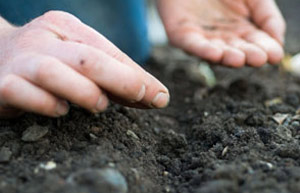
Sowing outdoors is a quick and easy way of propagating many hardy plants, including vegetables and annual flowers.
Sowing outdoors is a quick and easy way of propagating many hardy plants, including vegetables and annual flowers.
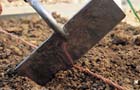
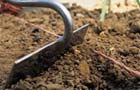
Fork over the soil two or three weeks before sowing to encourage the weed seeds in the soil to germinate. They can then be hoed off before sowing crops. Remove the first flush of weeds. This will mean seedlings won't be competing with weeds for light, water and space.
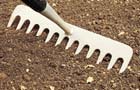 Choose a day when the soil is dry enough not to stick to your boots. If it hasn't been settled by rain, tread over the area to firm it down. Scatter a general purpose fertiliser over the soil and rake until the ground is level, removing any large stones or debris. This produces the ideal surface for sowing. Add plenty of organic matter such as compost.
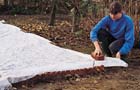 If sowing when the ground is still cold and wet after winter, cover the soil for a few weeks first. In addition to warming the soil, this also helps to dry out the surface, which makes it workable for seed sowing. Use horticultural fleece or a plastic sheet to cover the ground. Once the seed has been sown, these should be removed so that they don't damage the emerging seedlings.
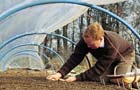 Alternatively, a cloche can be used. It can be left in place after sowing because the emerging seedlings will have plenty of space beneath it. Plants grow quickly in these protected conditions and mature before those sown in open ground. Water plants under the cloches as the soil can become quite dry. Ventilation is also vital because still air can create the perfect conditions for fungal diseases.
For covering large areas such as lawns, use broadcast sowing. The informal effect is also well suited to creating drifts of colourful hardy annuals.
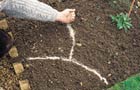
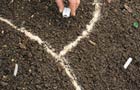
Thin seedlings as soon as they're large enough to handle.
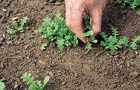
To make germination more reliable, some seeds may be coated with a chemical dressing. This usually contains a fungicide to help prevent the seeds rotting. Occasionally, an insecticide is also added to protect the seedlings from pests.
Another method to improve reliability is priming. Give the seed a limited amount of water to start off the germination process and ensure that all the seeds are at the same stage of development at the same time. Primed seeds germinate more evenly and quickly, and often at a lower temperatures, making them useful for early sowings.
Due to the expense of this method, it's only available for a limited number of plants such as carrots and parsnips.
The seed of popular varieties is often available in forms that can make sowing even easier. The following two types are useful for anyone who has difficulty handling smaller seeds.
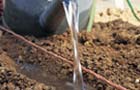
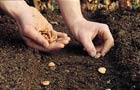 Pelleted seed is covered with a soluble coating that makes it easy to handle and space out evenly. Thorough watering after sowing is essential to ensure the moisture needed for germination penetrates the coating quickly.
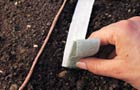 Seed tapes are becoming more widely available. These strips have seeds embedded in them at regular intervals, so they don't need thinning out later. Simply lay the seed tape in a seed drill and cover it with soil, making sure it's in full contact with the ground.

BBC © 2014The BBC is not responsible for the content of external sites. Read more.
This page is best viewed in an up-to-date web browser with style sheets (CSS) enabled. While you will be able to view the content of this page in your current browser, you will not be able to get the full visual experience. Please consider upgrading your browser software or enabling style sheets (CSS) if you are able to do so.

