
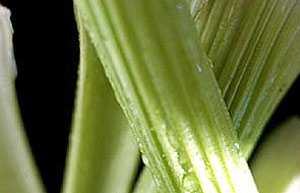
Celery adds a delicious savoury hint to recipes and by planting ready-grown seedlings in the spring you will be picking fresh, crunchy stems from summer into autumn. Here’s our guide to growing the best.
Celery adds a delicious savoury hint to recipes and by planting ready-grown seedlings in the spring you will be picking fresh, crunchy stems from summer into autumn. Here’s our guide to growing the best.
Celery has long been considered a difficult crop to grow, largely because traditional varieties need a lot of work and attention - they have to be planted in deep trenches and require layers of soil added regularly to blanch the green stems. Fortunately modern plant breeding has led to many easier, self-blanching varieties that don't need earthing up to produce tender white stems. Although plants can be grown from seed sown in early spring, it's far easier to buy ready-grown seedlings, which can be planted out in May or June.
Celery prefers moisture-retentive, well-drained soil in a sunny spot. It's an ideal crop for an allotment, but a short row can be squeezed into a garden, raised bed or you could even try dotting the odd plant into a border. If you have a tiny garden it's possible to grow celery in very deep, long tom style pots.

BBC © 2014The BBC is not responsible for the content of external sites. Read more.
This page is best viewed in an up-to-date web browser with style sheets (CSS) enabled. While you will be able to view the content of this page in your current browser, you will not be able to get the full visual experience. Please consider upgrading your browser software or enabling style sheets (CSS) if you are able to do so.

