Nature| You are in: Essex > Discover Essex > Nature > Rare coastal plant increasing in Essex |  | 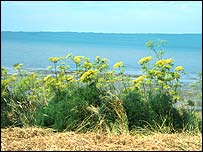 | | Sea Hogs Fennel |
Rare coastal plant increasing in EssexOne of the rarest coastal plants in Britain, the Sea Hog's Fennel, is thriving in the Walton Backwaters area.
| |
| | | Essex Biodiversity Project | - The Essex Biodiversity Project has 25 species and 10 habitats on its Action Plan
- This includes mammals, invertebrates, birds, trees, plants and habitats
- The Project comprises more than 40 nature conservation organisations, statutory agencies, voluntary interest groups, businesses, community groups and local authorities
- The Project is based at the Essex Wildlife Trust Head Office at Gt Wigborough
|
A rare coastal plant is thriving in the Walton Backwaters area. Essex Biodiversity Project has been working with Writtle College to ensure that the Sea Hogs Fennel will thrive on the Essex coast away from the threat of sea level rise. 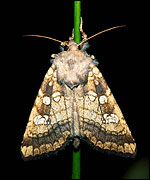 | | Fisher's Estuarine Moth |
The Sea Hogs Fennel is a large attractive plant up to 5ft tall. It has feathery leaves and yellow flowers. The plant is an important as the exclusive foodplant of the Fisher's Estuarine Moth. In the UK this moth only occurs in the Walton Backwaters areas. The Fisher's Estuarine Moth is a large and attractive moth, pale orange-brown in colour, with dark and light spots on the forewings, and a dark band passing across the bottom of the forewings The caterpillars live within the plant and remain hidden as they grow emerging in September as adult moths. Though the species is found in coastal areas, it is not a salt-water tolerant plant and with raising sea levels it needs to grow further inland to survive and offer food for the Fisher's Estuarine Moth. | | | last updated: 16/08/06 | SEE ALSO
| | | You are in: Essex > Discover Essex > Nature > Rare coastal plant increasing in Essex | | |
Audio and Video links on this page require RealplayerOn the rest of the webThe BBC is not responsible for the content of external websites |
|